 Telephone: +86-574-62838966
 E-mail : sale2@hengboyi.com


 en
en  English
 Español
 中文简体
中文简体
A Complete Guide to Commercial Outdoor and Indoor Decorative Lighting Fixtures
Home / News / Industry News / A Complete Guide to Commercial Outdoor and Indoor Decorative Lighting Fixtures
Industry News
Home / News / Industry News / A Complete Guide to Commercial Outdoor and Indoor Decorative Lighting Fixtures
A Complete Guide to Commercial Outdoor and Indoor Decorative Lighting Fixtures
Content
- 1 What Defines Effective Commercial Outdoor Lighting
- 2 Where Versatile String Lights Indoor and Outdoor Solutions Deliver Value
- 3 Market Growth and Adoption Trends
- 4 Weatherproofing and Durability Standards for Decorative Fixtures
- 5 How Venue Type Shapes Fixture Selection
- 6 Evaluating Performance Across Key Criteria
- 7 Comparing Fixture Types for Different Commercial Needs
- 8 Sustainability and Certification Considerations
- 9 Design and Installation Considerations
- 10 Common Specification Mistakes to Avoid
- 11 Energy Efficiency and Long-Term Maintenance
- 12 Evaluating a Manufacturing Partner for Commercial Orders
- 13 About Hengboyi
- 14 Frequently Asked Questions
Effective commercial outdoor lighting is defined by three measurable qualities: verified weather resistance, flexible installation across both indoor and outdoor zones, and consistent light output over years of use rather than months. For property managers, hospitality operators, and retail designers, the practical takeaway is straightforward: a lighting fixture only qualifies as commercial-grade when it has been tested against moisture, temperature swings, and mechanical stress, and when the same fixture family can move seamlessly between a covered patio, an open courtyard, and an indoor dining hall without a drop in visual consistency. This is exactly the role that outdoor/indoor decorative lighting fixtures and versatile string lighting systems are designed to fill. The sections below break down how these systems are engineered, where they perform best, and what data-backed criteria buyers should use when comparing options for hospitality, retail, and municipal projects.
This guide is written for the people directly responsible for those purchasing decisions, including facilities managers, hospitality design teams, retail visual merchandising leads, and procurement staff at contractors serving commercial clients. Rather than treating decorative lighting as a purely aesthetic choice, this guide treats it as an engineering and procurement decision that happens to also carry aesthetic value, and it structures the discussion around the technical criteria, market data, and specification pitfalls that most directly affect project outcomes.
What Defines Effective Commercial Outdoor Lighting
Commercial outdoor lighting differs from residential lighting primarily in duty cycle and environmental exposure. Commercial installations are typically left running for longer nightly periods, face repeated seasonal weather cycles, and are judged on both aesthetic consistency and long-term reliability rather than a single decorative moment. According to Grand View Research, the global outdoor lighting market was valued at USD 17.06 billion in 2024 and is projected to reach USD 28.43 billion by 2030, expanding at a compound annual growth rate of 9.4 percent, with the commercial application segment already accounting for the largest share of global revenue. This growth is not incidental; it reflects a structural shift in how commercial properties treat lighting as part of brand experience and operational infrastructure rather than an afterthought.
Three criteria consistently separate commercial-grade fixtures from consumer-grade alternatives. First is ingress protection, meaning the fixture's rated resistance to dust and water intrusion under standardized testing. Second is thermal and UV stability, since prolonged sun exposure degrades plastics and dims LEDs faster in poorly engineered housings. Third is mechanical durability, including wire tension resistance and connector strength, which matters when fixtures span long distances between mounting points in courtyards, rooftop terraces, or streetscapes. Buyers evaluating decorative commercial outdoor lighting should request test documentation for each of these three areas rather than relying on marketing descriptions alone.
Where Versatile String Lights Indoor and Outdoor Solutions Deliver Value
Versatile string lights indoor and outdoor solutions earn their name because a single product line can serve multiple zones of the same property without requiring separate purchasing decisions. A hotel courtyard, for example, may use the identical string light profile across an open-air terrace, a covered veranda, and an interior atrium, preserving visual continuity while meeting different exposure requirements in each zone. This cross-zone flexibility reduces design complexity for architects and lighting specifiers, since fewer distinct SKUs need to be sourced, tested, and maintained.
In practice, the most common commercial applications include restaurant patios and beer gardens, hotel and resort walkways, retail storefront canopies, event venues and wedding pavilions, and municipal plazas or pedestrian streets. Each of these settings places different demands on the fixture: a restaurant patio prioritizes warm color temperature and dimmability for ambiance, while a municipal plaza prioritizes vandal resistance and long operating life to reduce maintenance visits. A well-engineered outdoor/indoor decorative lighting fixtures line addresses this range by offering consistent housing quality with configurable options for spacing, bulb type, and control method, rather than forcing a single rigid specification onto every project type.
The list below summarizes the functional priorities that typically differ by venue type, which is useful when specifying fixtures for a mixed-use commercial property.
- Hospitality patios and terraces: warm white tone, dimming compatibility, quiet aesthetic integration with furniture and landscaping
- Retail storefronts and canopies: brand-consistent color temperature, durability against foot traffic and awning vibration
- Event and wedding venues: rapid installation and removal, lightweight cabling, flexible run lengths
- Municipal plazas and streetscapes: high ingress protection, tamper resistance, extended operational lifespan
- Indoor transition zones such as lobbies and atriums: consistent finish with outdoor runs, no exposed high-voltage connections
Market Growth and Adoption Trends
The commercial segment has become the primary driver of outdoor lighting demand. Grand View Research reports that the commercial application segment held a 66.48 percent share of global outdoor lighting revenue in 2024, while LED-based fixtures accounted for roughly half of the source-type market share the same year. This indicates that most new commercial lighting investment is now directed toward LED-based decorative and functional fixtures rather than legacy lighting technologies. The chart below illustrates the general growth trajectory of the global outdoor lighting market from 2024 through the 2030 forecast horizon, based on the same industry analysis.
This upward trend reflects several converging forces rather than a single cause. Urban development is expanding the total square footage of outdoor commercial space that requires lighting, from mixed-use plazas to expanded restaurant patios built during the shift toward outdoor dining. Energy-efficiency mandates in many regions are accelerating the replacement of older fixtures with LED-based systems, which draw less power while offering longer service life. Hospitality and retail brands are also treating exterior lighting as a competitive differentiator, since well-lit outdoor areas extend usable hours and directly affect customer dwell time. Finally, the growing overlap between indoor and outdoor commercial spaces, such as covered courtyards and semi-open retail concepts, is pushing demand toward fixtures that can function reliably in both settings without redesign. Buyers should read this growth curve as a signal that commercial-grade fixture specification, not just decorative appeal, is becoming a standard procurement requirement rather than an optional upgrade.
Regional distribution of demand also offers useful context for sourcing decisions. Grand View Research notes that North America held the largest single regional share of global outdoor lighting revenue in 2024, reflecting mature commercial real estate activity and established retrofit programs, while offline procurement channels continued to account for the majority of purchasing activity in the same period. This channel pattern suggests that, despite growing online research and comparison behavior among commercial buyers, most final purchasing decisions for outdoor lighting still involve direct supplier relationships, sample evaluation, and documented specification review rather than purely transactional online ordering. For buyers building a long-term lighting program across multiple properties, this reinforces the value of establishing a direct relationship with a manufacturing partner capable of supporting consistent quality and documentation across repeat orders, rather than sourcing individual runs from inconsistent channels.
Weatherproofing and Durability Standards for Decorative Fixtures
Ingress Protection ratings, commonly written as IP followed by two digits, are the internationally standardized way to describe how well a fixture resists dust and water. The first digit describes solid particle protection on a scale of zero to six, and the second digit describes moisture protection on a scale of zero to nine. For outdoor/indoor decorative lighting fixtures, the two ratings that matter most in commercial specification are IP44, which is generally suitable for covered or semi-exposed areas, and IP65 or higher, which is appropriate for fully exposed installations subject to direct rain and splashing. Fixtures without a published IP rating should be treated as unverified for outdoor commercial use, regardless of how the product is marketed.
The horizontal bar chart below compares typical minimum recommended IP ratings across common commercial installation zones, expressed as a relative protection index for illustration purposes.
This comparison shows a clear pattern: protection requirements rise as exposure to direct water and airborne particulates increases, rather than following venue prestige or fixture cost. Indoor lobbies and atriums can generally use lower-rated fixtures because they are shielded from rain and dust, while poolside and waterfront installations require the highest ratings because of splashing, humidity, and chlorine or salt exposure. Covered patios sit in a middle category, since wind-driven rain and condensation still reach the fixture even under a roof. Municipal streetscape lighting is held to a high standard not only because of weather but because of extended unattended operating periods, where a failed seal can go unnoticed for weeks. Specifiers should always match the IP rating to the worst-case exposure condition at the installation site, not the average condition, since a single storm event can cause failure in an under-rated fixture.
| Installation Zone | Minimum IP Rating | Primary Exposure Risk |
|---|---|---|
| Indoor lobby / atrium | IP20 | Dust only, no moisture |
| Covered patio / veranda | IP44 | Wind-driven splash |
| Open rooftop terrace | IP65 | Direct rain, UV exposure |
| Poolside / waterfront | IP67 | Immersion, chlorine, salt |
| Municipal streetscape | IP67 | Extended unattended exposure |
How Venue Type Shapes Fixture Selection
Not all commercial deployments of decorative lighting are the same size or purpose, and understanding the general distribution of where these fixtures are installed helps explain why manufacturers design product lines around flexibility rather than single-purpose fixtures. Based on common commercial lighting deployment patterns observed across hospitality, retail, and public-space projects, hospitality venues such as restaurants, hotels, and resorts represent the largest share of decorative string lighting installations, followed by retail and mixed-use developments, then event spaces, with municipal and public-space projects forming a smaller but steadily growing category as cities invest in placemaking lighting.
This distribution matters for procurement planning because it shows that most decorative lighting demand comes from operators who need repeat, standardized purchasing across multiple similar sites, such as hotel groups or restaurant chains, rather than one-off custom installations. Retail and mixed-use developments follow closely because storefront lighting has become part of brand consistency programs across multiple locations. Event-driven demand tends to be seasonal and project-based, requiring fixtures that are easy to install and remove without specialized tools. Municipal demand is smaller in absolute volume but tends to involve larger single contracts and longer specification cycles, since public infrastructure projects require extended testing and compliance documentation. Recognizing which category a project falls into helps determine whether a buyer should prioritize rapid fulfillment and flexible customization, or long-term durability certification and after-sales support.
Evaluating Performance Across Key Criteria
When comparing decorative commercial outdoor lighting systems, buyers generally weigh five performance dimensions: weather resistance, design and color flexibility, ease of installation, energy efficiency, and control compatibility such as dimming or scheduling. No single fixture type maximizes all five simultaneously, which is why the concept of a versatile, modular string lighting system has become the practical middle-ground solution for most commercial buyers rather than pursuing highly specialized single-purpose fixtures. The radar profile below illustrates a representative performance balance for a well-engineered versatile string lighting system, scored on a relative scale for comparison purposes.
This profile highlights a deliberate engineering trade-off rather than uniform excellence in every category. Weather resistance and ease of installation are typically prioritized highest, because these two factors directly determine whether a project stays within schedule and avoids costly field failures after handover. Design flexibility scores strongly as well, since modular connectors and interchangeable bulb formats allow the same base system to serve different aesthetic briefs. Energy efficiency benefits from LED adoption across the category, though it is slightly behind weather resistance because efficiency gains plateau once a fixture already uses efficient LED components. Control compatibility, covering dimming and scheduling integration, is an area where continued improvement is expected as smart building integration becomes more common in commercial specifications. Buyers should use a profile like this as a starting checklist, then request venue-specific test data from suppliers rather than relying on general category averages alone.
Comparing Fixture Types for Different Commercial Needs
Decorative string lighting is not a single product category but a family of formats that differ in bulb style, cable construction, and control method. Globe-style bulbs on a heavy-duty cable are the most common choice for hospitality patios because the rounded bulb shape diffuses light softly and reads well across long spans. Fairy-light or micro-LED formats use a much finer wire and closer bulb spacing, which suits tree wrapping, canopy overlays, and facade outlines where a denser point of light is desired rather than individually visible bulbs. Flame-effect and filament-style LEDs replicate the warm flicker of traditional bulbs while consuming a fraction of the power, and they are increasingly requested for venues seeking a heritage or rustic aesthetic without the maintenance burden of open flame.
Solar-powered decorative fixtures represent a growing subcategory, particularly for perimeter lighting, garden paths, and installations where running new electrical wiring would be costly or disruptive. These fixtures pair a small photovoltaic panel with a rechargeable battery and typically include a light sensor for automatic dusk-to-dawn operation. While solar fixtures generally offer lower peak brightness than wired LED alternatives, they remove ongoing electricity cost and simplify installation in locations without convenient access to a power source, which makes them a practical complement to wired systems rather than a full replacement in most commercial layouts.
Cable construction also varies meaningfully between product tiers. Commercial-grade string lights generally use a thicker gauge copper conductor with a UV-stabilized outer jacket, which resists the cracking and brittleness that lower-grade cabling can develop after repeated exposure to sunlight and temperature cycling. Connector housings on commercial fixtures are typically molded with a gasket or sealing ring, rather than relying on friction fit alone, since this is one of the most common points of water ingress in outdoor installations. When comparing suppliers, buyers should ask directly about conductor gauge, jacket material, and connector sealing method, since these details are rarely visible in product photography but have a direct and measurable effect on service life.
The table below summarizes how common decorative lighting formats align with typical commercial use cases, to support faster fixture-type shortlisting during the specification stage.
| Fixture Format | Typical Commercial Use | Key Advantage |
|---|---|---|
| Globe bulb string lights | Patios, courtyards, event canopies | Soft, wide-angle diffusion over long spans |
| Micro-LED fairy lights | Tree wrapping, facade outlines, canopies | Dense point-light coverage, low visual weight |
| Flame-effect / filament LED | Heritage-style venues, lounges, lobbies | Warm flicker aesthetic without open flame |
| Solar decorative fixtures | Garden paths, perimeters, remote zones | No new wiring required, automatic operation |
Sustainability and Certification Considerations
Energy performance has become a standard evaluation criterion in commercial lighting procurement, driven partly by corporate sustainability commitments and partly by regulatory pressure in a growing number of jurisdictions. LED-based decorative fixtures generally consume a fraction of the electricity used by older incandescent equivalents while producing comparable or greater light output, which allows properties to expand the footprint of their decorative lighting without a proportional increase in energy cost. For properties tracking environmental performance metrics, decorative lighting upgrades are often one of the more straightforward line items to quantify, since wattage reduction and operating hours can be measured directly against a documented baseline.
Certification and compliance documentation also matter for commercial buyers beyond simple energy labeling. Fixtures intended for markets with formal electrical safety oversight typically require relevant national or regional safety certification covering electrical construction and fire safety, in addition to the ingress protection testing already discussed. Buyers sourcing fixtures for multi-country hospitality or retail chains should confirm that documentation is available for each target market, since safety certification requirements can differ meaningfully between regions even when the physical fixture itself is identical. Working with a manufacturer that maintains organized, exportable compliance documentation reduces delays during customs clearance and property-level safety inspections, both of which can otherwise stall a lighting rollout across multiple sites.
Looking ahead, the direction of the commercial outdoor lighting category is toward greater integration between decorative and functional lighting systems, with dimming, scheduling, and zone control increasingly expected as standard features rather than premium add-ons. Buyers who select a versatile, well-documented fixture platform today are better positioned to add these control layers later without replacing the underlying hardware, which protects the initial investment as building technology standards continue to evolve over the coming years.
Design and Installation Considerations
Beyond the fixture itself, successful decorative commercial outdoor lighting projects depend heavily on planning decisions made before installation begins. Span length and sag tolerance determine how far apart mounting points can be placed without excessive cable droop, which matters for both aesthetics and safety clearance over walkways. Voltage drop across long cable runs can cause visible dimming at the far end of a string, so professional installations calculate maximum run length based on wire gauge and total load rather than treating every run as identical. Connector type also affects long-term reliability, since twist-lock or gasket-sealed connectors resist moisture intrusion far better than simple friction-fit designs when used outdoors.
Because outdoor/indoor decorative lighting fixtures often need to transition between covered and open areas on the same property, planners should also account for mounting hardware compatibility, since indoor drywall anchors are unsuitable for exterior masonry or wood structures exposed to freeze-thaw cycles. Cable management, including tensioned steel support wire for longer spans, prevents strain on the fixture's own wiring and extends service life. Finally, grouping fixtures into manageable electrical zones with independent control allows partial sections to be dimmed, scheduled, or serviced without shutting down an entire installation, which is particularly useful for large hospitality or municipal properties operating on different nightly schedules.
Timing of installation also affects long-term outcomes more than many project teams initially expect. Installing decorative lighting during favorable weather windows allows adhesives, sealants, and mounting hardware to cure properly before facing their first exposure to rain or extreme temperature, which reduces the likelihood of early-stage failure. Load calculations should be finalized before ordering rather than adjusted on site, since undersized transformers or drivers are one of the more common causes of flickering or uneven brightness across a long installation. For properties in regions with significant seasonal temperature swings, expansion and contraction of both cabling and mounting anchors should be factored into slack allowances, particularly for spans crossing masonry-to-masonry connections where movement can otherwise place strain directly on the fixture's end connectors over multiple seasons.
Common Specification Mistakes to Avoid
A recurring pattern across commercial lighting projects is that most post-installation problems trace back to a small set of avoidable specification errors made early in the planning process, rather than to manufacturing defects. Reviewing these common mistakes before finalizing an order can meaningfully reduce the likelihood of costly rework after installation.
- Selecting a fixture based only on indoor exposure assumptions, then later extending the same run into a partially open or uncovered area without upgrading the ingress protection rating.
- Underestimating total run length during planning, which leads to voltage drop and visibly dimmer bulbs at the far end of long installations.
- Mixing fixture batches or production runs without confirming consistent color temperature, which can create a visibly uneven appearance across a continuous run.
- Failing to confirm control system compatibility in advance, particularly when integrating decorative lighting with an existing building management or dimming system.
- Overlooking mounting hardware compatibility with the actual building surface, which can require last-minute substitutions that were not accounted for in the original budget or timeline.
Addressing these issues at the specification stage, rather than during or after installation, is consistently more cost-effective. Requesting a written technical specification sheet from the supplier, including conductor gauge, IP rating, color temperature tolerance, and maximum recommended run length, gives the project team a clear reference document to validate against the actual site conditions before any hardware is ordered or installed.
Energy Efficiency and Long-Term Maintenance
LED technology remains the dominant light source for commercial outdoor lighting because it combines lower power draw with substantially longer operating life compared to older lighting technologies. This translates directly into lower maintenance frequency, since fewer bulb replacements are needed across large installations that may include hundreds of individual light points. Maintenance planning should also account for connector inspection, since moisture intrusion at connection points is a more common failure cause than the light source itself failing. A practical maintenance schedule for commercial outdoor lighting typically includes a seasonal visual inspection before peak usage periods, a connector and seal check after major storm events, and periodic cleaning of lenses to maintain consistent light output, since dust and salt buildup can measurably reduce perceived brightness over time even when the LED itself remains fully functional.
Operators managing multiple properties benefit from standardizing on a single versatile string lighting platform across sites, since this simplifies spare parts inventory, reduces staff training requirements for maintenance teams, and allows bulk procurement planning. This operational simplicity is often underestimated during initial fixture selection but becomes a significant factor in total lifecycle management once a lighting system has been in service for several years.
Evaluating a Manufacturing Partner for Commercial Orders
For buyers placing recurring or large-volume orders of decorative commercial outdoor lighting, the manufacturing partner behind the product often matters as much as the fixture specification itself. Production consistency across batches determines whether a multi-site rollout maintains uniform color temperature and finish, while testing infrastructure determines whether ingress protection and safety claims are backed by verifiable, repeatable results rather than one-time sample testing. Buyers should request evidence of in-house quality control processes covering raw material inspection, in-line production checks, and final product testing, since a manufacturer that only tests finished samples at the end of the process has less visibility into where defects actually originate.
Customization capability is another meaningful differentiator, particularly for hospitality and retail brands that require specific cable lengths, connector configurations, or color temperatures to match an existing design program. A manufacturer capable of rapid prototyping based on drawings or physical samples allows design teams to validate a fixture before committing to a full production run, reducing the risk of costly reorders. Export experience and documentation readiness round out the evaluation criteria, since international shipments require accurate customs classification, complete commercial documentation, and reliable logistics coordination to avoid delays that can push back a project's opening date.
Finally, responsiveness during both the pre-sale and after-sale phases has a direct effect on total project risk. Projects rarely proceed exactly as originally specified, and a manufacturing partner that can quickly clarify technical questions, adjust order details, or support a warranty claim after installation reduces the operational burden on the buyer's own team. Evaluating these operational factors alongside the physical fixture specification gives commercial buyers a more complete picture of long-term supplier reliability than product data alone.
About Hengboyi
Founded in 2003, Ningbo Hengboyi Lamp Co., Ltd. specializes in the development and manufacture of string lights and solar lighting products. The company operates with production and testing facilities focused on consistent design quality, reliable performance, and durable construction, and has built long-term partnerships with lighting brands and distributors across global markets.
With extensive experience in decorative lighting and string lights, Hengboyi maintains established production lines and large-scale manufacturing capabilities that support stable supply and consistent delivery timelines for commercial buyers. Quality inspection is applied at every stage from raw materials through finished products, with fixtures evaluated against international safety and waterproofing benchmarks to support durability in demanding outdoor environments.
The company's product range covers waterproof string lights, LED decorative lights, solar lights, and flame-style lighting effects, offering a broad selection for buyers sourcing outdoor/indoor decorative lighting fixtures for hospitality, retail, and public-space projects. Customization options are available across voltage, cable length, wire type, appearance, and packaging, with prototype development supported from drawings or reference samples. Hengboyi holds independent export qualifications, maintains complete trade documentation, and works with efficient logistics partners to serve clients across international markets, backed by responsive inquiry handling and dedicated account support throughout the sourcing and after-sales process.
Frequently Asked Questions
Q1: What is the difference between decorative and functional outdoor lighting?
Functional outdoor lighting is primarily designed for visibility and safety, such as pathway or security lighting, while decorative lighting is designed to enhance atmosphere and visual appeal, such as string lights along a patio or facade. Many commercial projects combine both, using decorative fixtures to supplement rather than replace functional lighting.
Q2: Can the same string light system be used both indoors and outdoors?
Yes, provided the fixture is rated for the highest exposure level it will encounter across all planned locations. Versatile string lighting systems designed for both indoor and outdoor use are built to the stricter outdoor standard, which also makes them suitable for interior installation without any performance compromise.
Q3: How is IP rating determined for outdoor decorative fixtures?
IP rating is determined through standardized laboratory testing that exposes the fixture to controlled levels of dust and water, following international electrotechnical testing protocols. The resulting two-digit code indicates solid particle protection and moisture protection separately, allowing buyers to compare fixtures on a consistent technical basis.
Q4: What causes premature failure in commercial outdoor lighting installations?
The most common causes are moisture intrusion at connector points, under-rated fixtures used in high-exposure zones, and voltage drop across excessively long cable runs without proper gauge planning. Regular inspection of seals and connectors significantly reduces the likelihood of these issues over the fixture's service life.
Q5: How should businesses plan lighting layout for mixed indoor and outdoor spaces?
Layout planning should begin by mapping each zone's exposure level, then selecting a single fixture platform rated for the most demanding zone to maintain visual consistency throughout the property. Electrical zoning should also be planned early so that indoor and outdoor sections can be controlled independently for scheduling and energy management.
Q6: What customization options are typically available for commercial string lighting orders?
Common customization options include cable length, voltage configuration, wire and housing color, bulb spacing, and packaging format, with prototype samples often available based on drawings or reference designs. Buyers with large or recurring orders should confirm customization lead times early in the project planning stage.
Product Categories
Recommended News
2026-05-22G40 Ball Bubble E12 Spiral Mouth Colorful LED Decorative Festoon Lighting
2026-05-22G40 Ball Bubble E12 Spiral Mouth Colorful Decorative Festoon Lighting
2026-05-21G40 Clip-on E12 Spiral Colored Decorative String Lights
2026-05-21G40 Clip-on E12 Spiral Colored Decorative String Lights(White style)
2026-05-22Diamond pattern diffused solar wall light (A60 bulb shape)
2026-05-21G45 Outdoor E27 White Light String Lights
Related Products
-
 View More
-
 View More
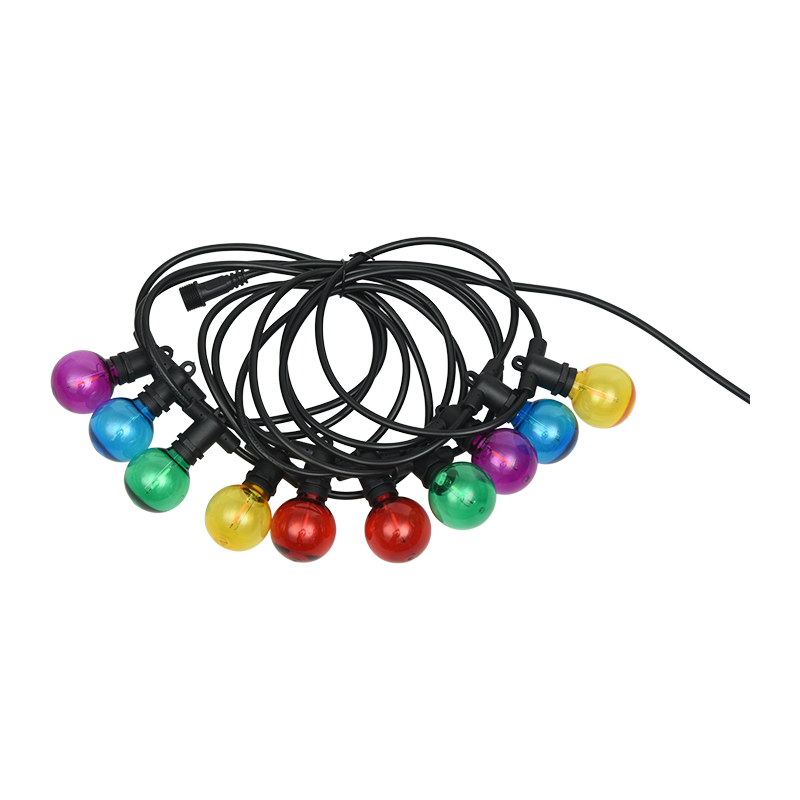
G40 Ball Bubble E12 Spiral Mouth Colorful Decorative Festoon Lighting
-
 View More
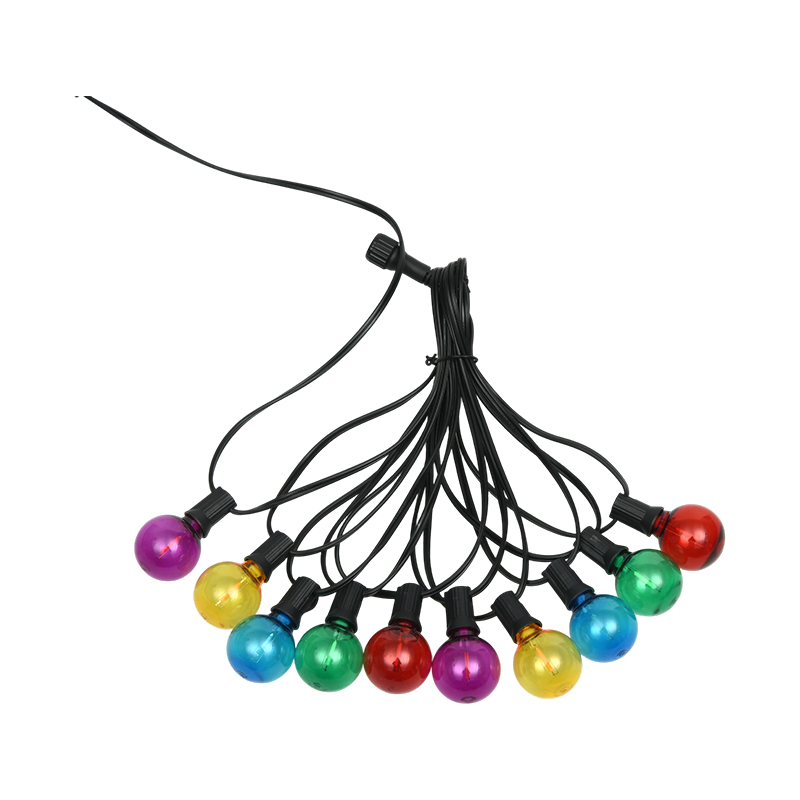
G40 Clip-on E12 Spiral Colored Decorative String Lights
-
 View More
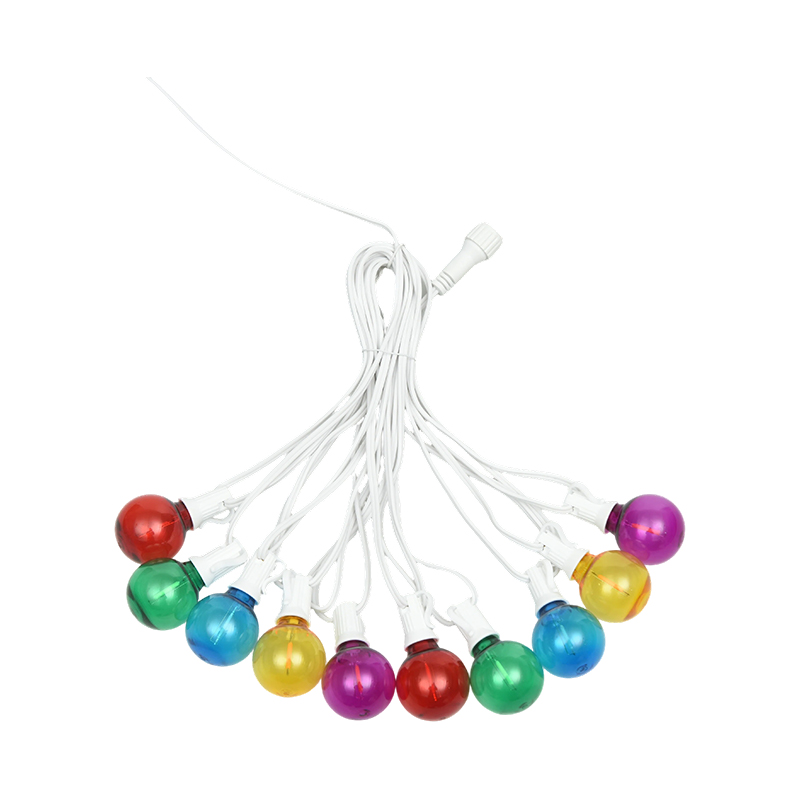
G40 Clip-on E12 Spiral Colored Decorative String Lights(White style)
-
 View More
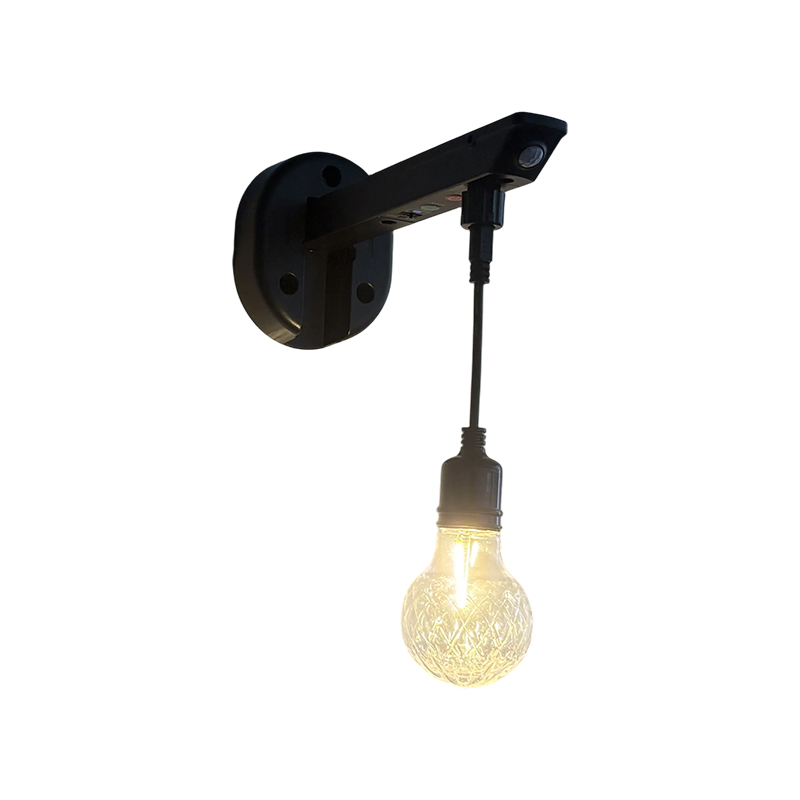
Diamond pattern diffused solar wall light (A60 bulb shape)
-
 View More
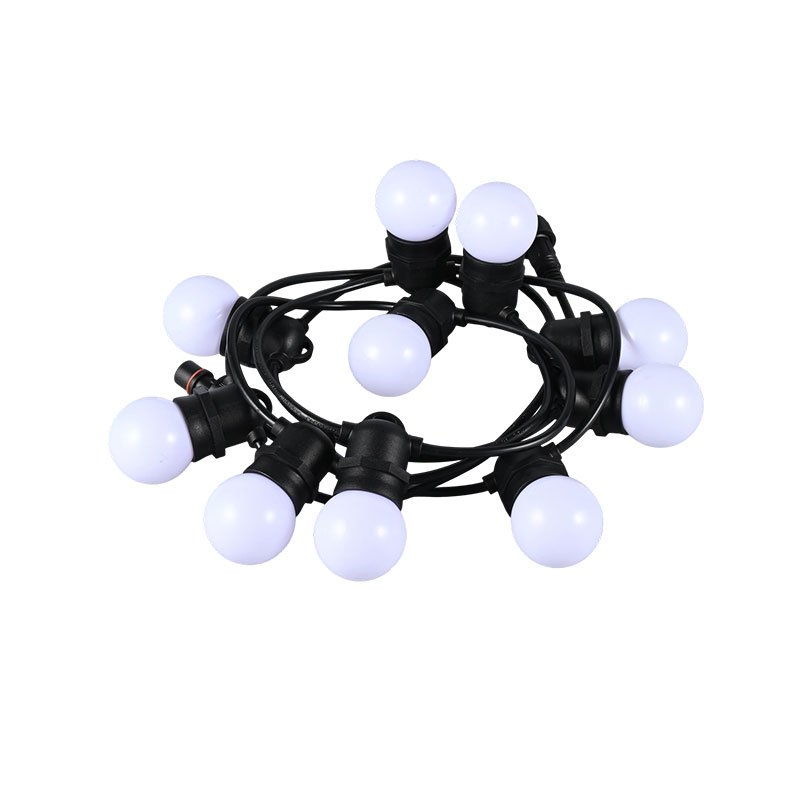
G45 Outdoor E27 White Light String Lights
Hengboyi are always ready to help you and answer your question if you need.
Request A Quote
Contact Info.
 Mob: +86-13901119074
 Tel: +86-574-62838966
 E-mail: sale2@hengboyi.com
 Add: No. 18 Rongchuang Road, Mingwei Village, Lizhou Street, Yuyao City, Ningbo, Zhejiang Province, China
Quick Links
Product List
Copyright Ningbo Hengboyi Lamp Co., Ltd. All rights reserved.
China best outdoor decorative solar lights Manufacturer
Custom decorative string lights indoor Factory

