As OEM solar panel wall lights manufacturer and ODM solar sconce lights outdoor factory, Ningbo Hengboyi Lamp Co., Ltd. (formerly Yuyao Hengli Auto Parts Factory), established in 2003, is located in Yuyao City, Zhejiang Province, known as the "Hometown of Plastics in China." It is a manufacturer integrating R&D, production, sales, and self-operated export, primarily focusing on precision plastic product processing and high-tech electronic products. Its main business scope includes: lighting fixtures, lighting accessories, electronic products, and various injection molded parts, rubber parts, and hardware parts.
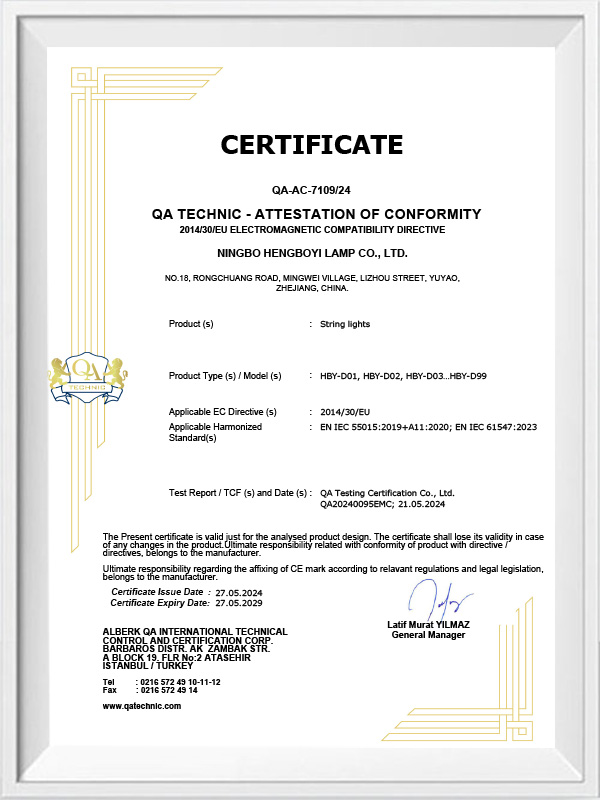
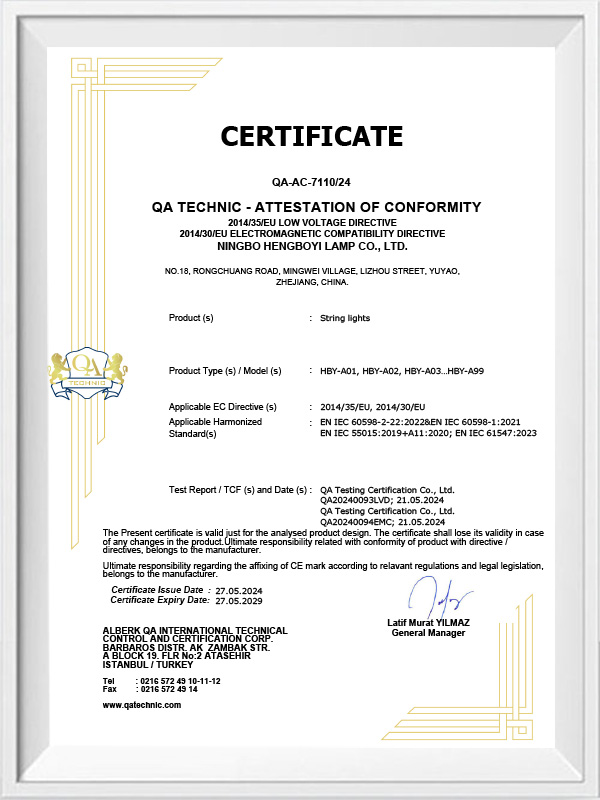
The company possesses complete processing, production, and testing equipment, a sound management system, strong technical capabilities, and advanced production processes, and has passed relevant quality system certifications. It has accumulated rich experience in the manufacturing and design of lighting fixtures and accessories. Both the appearance design and quality of its products have received consistent recognition and praise from domestic and international customers, establishing long-term cooperative relationships and becoming a designated supplier for lighting manufacturers both domestically and internationally.
Since its establishment, the company has adhered to the corporate philosophy of "Quality First, Integrity Foremost, Scientific Management, Pragmatic Innovation," sincerely treating every customer.
A brief that lands in our inbox often reads like this: smart LED lights, 10 meters, warm white, remote control, outdoor use, 5,000 sets, ship by August. It sounds complete. It actually leaves about eight decisions open, and every one of them changes the price, the lead time, or the warranty profile...
A hotel group in Rotterdam ordered 600 white paper lantern lights for a courtyard relaunch in late spring. The shades arrived on schedule, the paper was clean, and the production run matched the sample photographs. The problem surfaced two days before the opening: the cord sets in the shipment were...
A buyer opens a carton of five-metre festoon sets on a warehouse floor, lifts one bulb against the window, and asks the question that almost every decorative lighting order eventually runs into: why does this glass look greener, thinner and slightly out of round compared with the sample we approved...
How Do Outdoor Solar Wall Lights Provide Reliable Nighttime Lighting?
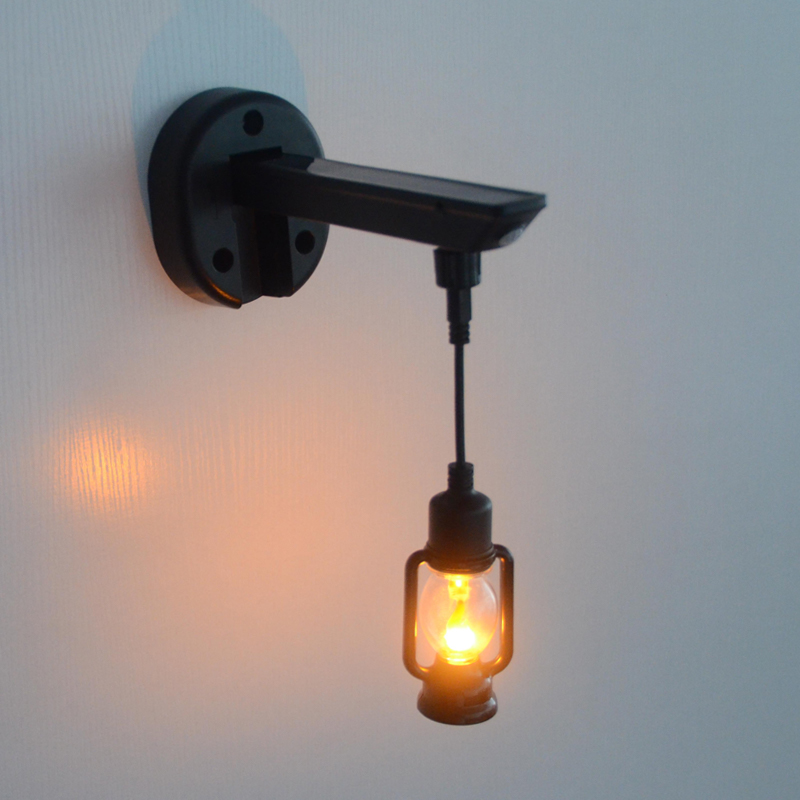
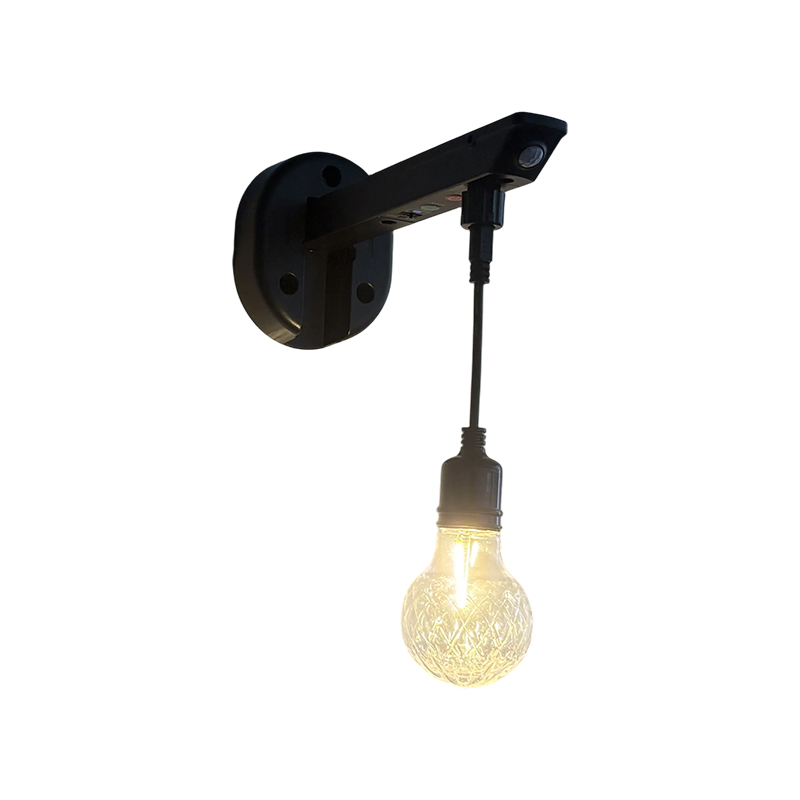
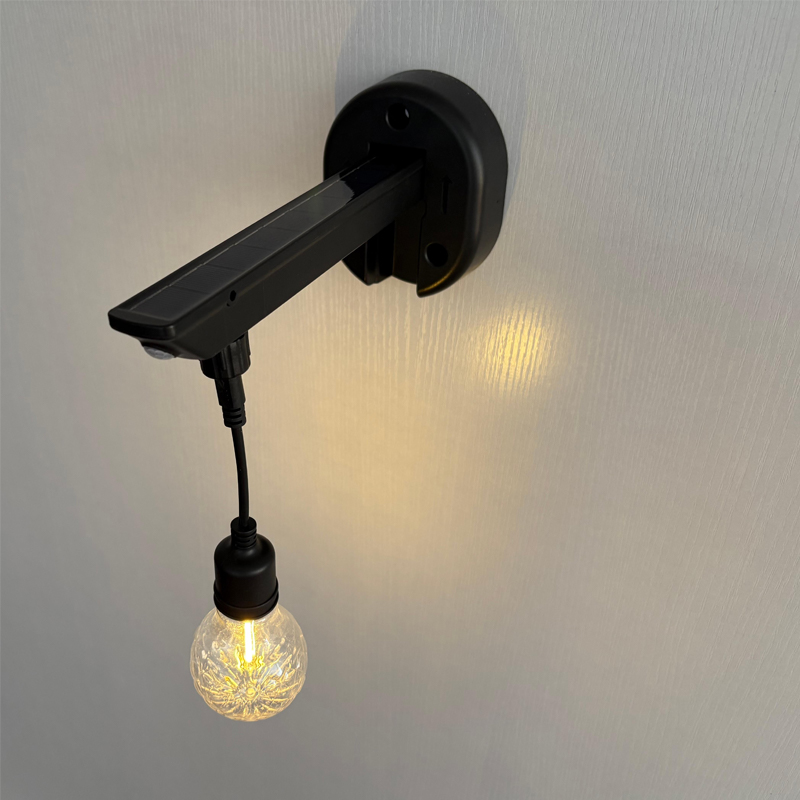
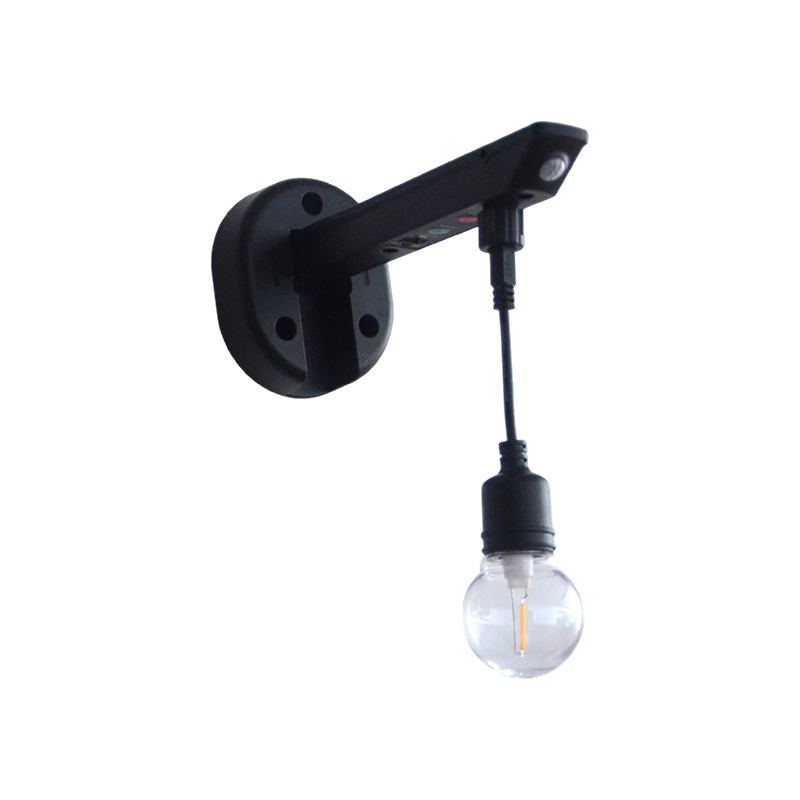
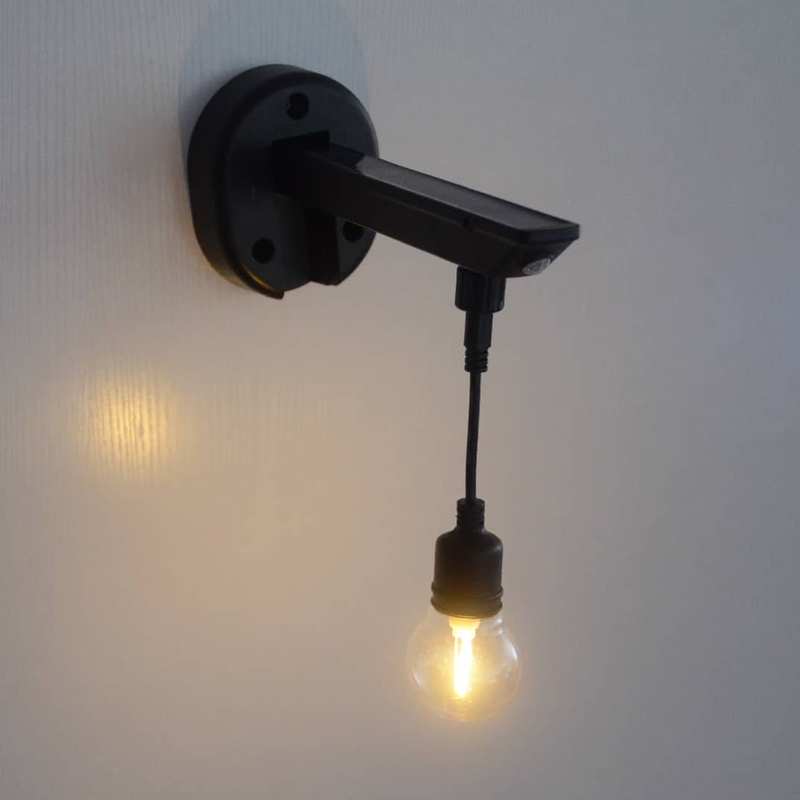
Solar wall lightsprovide reliable nighttime illumination by combining a solar panel, a rechargeable battery, and an LED module into a single wall-mounted fixture that requires no external wiring. The panel absorbs daylight and stores the collected energy in the battery, which then powers the LED at dusk, either continuously or through a motion-triggered mode, depending on the design. This makes an outdoor solar wall light a practical choice for entryways, fences, staircases, and perimeter walls where running electrical cable would be costly or impractical. Because the fixture is fully self-contained, installation typically involves mounting a bracket and securing the unit, without the need for an electrician or trenching. Understanding the underlying technology and performance factors helps explain why placement, orientation, and waterproofing quality all influence how consistently a waterproof solar wall light performs across different seasons and weather conditions.
This article walks through the components and charging behavior of LED solar wall lights, compares performance factors using data-based visual charts, and provides practical guidance for selecting and installing a solar powered wall light in different outdoor settings. Where specific figures are referenced, the general category of the source is noted so readers can evaluate the context of the data.
Core Components and LED Efficiency in Solar Wall Lights
The LED module is one of the most important components in a solar wall light, since its efficiency determines how much light output can be produced from a limited amount of stored battery energy. Common LED types used in outdoor solar fixtures include high-power LEDs, SMD (surface-mounted device) LEDs, and COB (chip-on-board) LEDs, each offering a different balance of brightness, energy consumption, and heat dispersion. High-power LEDs generally produce strong, concentrated light output and are often used in fixtures intended for security or pathway illumination. SMD LEDs are widely used for their compact size and even light distribution, making them common in decorative and general-purpose wall fixtures. COB LEDs integrate multiple diodes onto a single chip, which can improve overall luminous efficacy and reduce shadowing compared to discrete point-source LEDs, a distinction discussed in general lighting industry references such as U.S. Department of Energy publications on solid-state lighting.
Relative Light Output Efficiency by LED Type
This horizontal bar chart compares the relative light output efficiency of three LED types commonly found in outdoor solar wall lights, with a longer bar indicating a higher lumen output per unit of stored energy. COB LEDs sit at the top of the chart because their integrated chip design tends to reduce internal resistance losses and spread light more evenly across the fixture's beam angle. High-power LEDs occupy the middle position, offering strong directional brightness that suits security-oriented or pathway-facing installations, though often at a somewhat higher energy draw than COB designs. SMD LEDs appear shortest on the chart, not due to poor quality, but because their smaller individual diode size trades some raw efficiency for lower manufacturing cost and design flexibility. For anyone comparing solar powered wall light options, this chart illustrates why LED type is one of the clearest indicators of how bright and how long a fixture can run on a single overnight charge. It also explains why fixtures marketed for security use often specify high-power or COB LED configurations rather than standard SMD arrays.
Waterproof Protection Levels and Why IP Ratings Matter
A waterproof solar wall light is typically evaluated using an Ingress Protection (IP) rating, a two-digit classification system defined by the International Electrotechnical Commission that indicates resistance to solid particles and liquids. The first digit refers to protection against dust and debris, while the second digit refers to protection against water, with higher numbers indicating stronger resistance. An IP65 rating, for example, indicates the fixture is dust-tight and protected against water jets from any direction, a benchmark widely referenced in outdoor electronics standards. Fixtures mounted in locations exposed to direct rainfall, such as exterior walls without roof overhangs, generally require a higher IP rating than fixtures installed under covered eaves or porches.
Waterproof Protection Achievement Level
This gauge chart represents the IP65 waterproof protection level commonly achieved by well-sealed solar wall lights, with the filled arc indicating the proportion of the protection scale that has been reached relative to the maximum dust and water resistance classifications defined by IEC standards. An IP65 rating means the fixture housing has been tested to prevent dust ingress entirely and to withstand low-pressure water jets from multiple angles, which covers the majority of rain and splash exposure scenarios encountered in residential outdoor settings. This level of protection is generally considered sufficient for wall-mounted fixtures exposed to open weather, including driving rain and seasonal humidity. Fixtures with a lower rating, such as IP44, offer splash resistance but are better suited to covered or sheltered locations rather than fully exposed walls. Understanding this gauge helps buyers match the protection level of an LED solar wall light to the specific exposure conditions of their installation site, rather than assuming all solar wall fixtures offer identical weather resistance.
Seasonal Charging and Runtime Variation
Charging performance for outdoor solar wall lights varies across seasons due to changes in day length, sun angle, and average cloud cover. Longer daylight hours in summer generally allow the panel to reach full charge more quickly and provide longer nighttime runtime, while shorter winter days often reduce total charging time and correspondingly shorten how long the light remains on after dusk. This seasonal pattern is consistent with general solar irradiance data published by resources such as the National Renewable Energy Laboratory (NREL), which document lower average daily solar insolation during winter months across most temperate regions.
Seasonal Charging Time vs Nighttime Runtime
This stacked bar chart compares two related measures across four seasons: charging time available from daylight, shown in the lighter shade, and resulting nighttime runtime, shown in the darker orange shade, for a typical solar powered wall light. Summer shows the tallest combined bars, reflecting both the longest daylight hours and the most consistent direct sun angle, which together produce the strongest overnight runtime. Spring and autumn sit in the middle, with moderate daylight hours and somewhat more variable cloud cover affecting daily charging consistency. Winter shows the shortest bars, consistent with reduced daylight hours and a lower sun angle that decreases the intensity of light reaching the panel surface. This seasonal pattern is a useful reference for setting realistic expectations, since even a well-designed solar wall light will naturally show reduced nighttime runtime during winter compared to summer, independent of the product's underlying quality. Recognizing this variation also helps explain why installation location, particularly avoiding winter shade from bare or leafless trees, remains an important consideration for consistent year-round performance.
Common Installation Locations for Solar Wall Lights
Because solar wall lights require no wiring, they are commonly mounted across a range of exterior wall locations depending on the primary purpose of the lighting, whether decorative, functional, or security-oriented.
General Installation Distribution by Location Type
This donut chart shows a general breakdown of common installation locations for outdoor solar wall lights, based on typical residential outdoor lighting patterns rather than a single proprietary dataset. Entryway installation forms the largest segment, reflecting demand for both welcoming illumination and basic visibility near front doors and porches. Fence and perimeter mounting follows closely, valued for its role in outlining property boundaries and improving after-dark visibility along walkways. Staircase installation represents a meaningful share as well, since LED solar wall lights mounted at step intervals can reduce trip hazards without the cost of embedded step lighting. Garage and side-wall installation makes up the smallest segment, often used to supplement existing lighting rather than serve as the primary light source. Together, this distribution illustrates that solar wall lights serve a mix of safety, security, and decorative purposes rather than a single narrow application.
Selecting and Installing a Solar Wall Light
Choosing the right outdoor solar wall light involves matching the fixture's mounting height, panel orientation, and IP rating to the physical conditions of the installation wall. A few practical steps can improve both charging consistency and long-term durability.
Mount the fixture on a wall section that receives direct sunlight for the majority of the day, avoiding shadows cast by roof eaves, gutters, or neighboring structures.
Position the panel facing the general direction of peak sun exposure for the installation's geographic location, rather than mounting it flush against a shaded wall.
Confirm the IP rating matches the wall's exposure level, using a higher rating for fully exposed walls and a lighter rating for covered or sheltered areas.
Clean the panel surface periodically to remove dust, pollen, or residue that can gradually reduce charging efficiency.
Account for seasonal shading changes, since deciduous trees that are bare in winter may still cast partial shade depending on branch density and sun angle.
General comparison of installation considerations across common wall exposure conditions
Wall Exposure Type
Typical Sun Access
Rainfall Contact
Recommended IP Rating
Fully Exposed Exterior Wall
High
High
IP65 or higher
Covered Porch or Eave
Moderate
Low
IP44 or higher
Fence or Perimeter Wall
Moderate to High
High
IP65 or higher
As the table illustrates, rainfall contact and sun access differ meaningfully between wall types, which is why a single waterproof rating is not equally suitable for every installation. Fully exposed exterior walls and perimeter fencing generally warrant a higher IP rating, while covered porches and eaves can perform adequately with a lighter splash-resistant rating.
About Ningbo Hengboyi Lamp Co., Ltd.
As an OEM commercial outdoor lighting supplier and ODM decorative outdoor commercial lighting factory, Ningbo Hengboyi Lamp Co., Ltd. (formerly Yuyao Hengli Auto Parts Factory), established in 2003, is located in Yuyao City, Zhejiang Province, an area known for its strong plastics manufacturing base. The company integrates research and development, production, sales, and self-operated export, with a primary focus on precision plastic product processing and related electronic products. Its main business scope covers lighting fixtures, lighting accessories, electronic components, and a range of injection molded, rubber, and hardware parts used across outdoor lighting applications, including solar wall lights and related wall-mounted fixtures.
The company maintains complete processing, production, and testing equipment, supported by a structured management system and established technical capabilities. Over years of operation, it has built experience in the design and manufacturing of lighting fixtures and accessories, with product appearance and quality receiving consistent recognition from both domestic and international customers. This has enabled long-term cooperative relationships and a role as a designated supplier for lighting manufacturers in multiple markets. Since its founding, the company has followed a corporate philosophy centered on quality, integrity, scientific management, and pragmatic innovation, applying this approach to the development of outdoor solar wall lights and other exterior lighting solutions.
Industry Trends Shaping Solar Wall Lighting Design
Interest in exterior solar lighting has grown alongside broader adoption of low-maintenance, self-contained outdoor products, as homeowners and property managers look for lighting options that reduce both installation cost and ongoing wiring maintenance. Industry commentary on outdoor lighting trends has noted rising interest in motion-sensing modes and dusk-to-dawn operation for LED solar wall lights, which allow a single fixture to balance energy conservation with responsive illumination when movement is detected. Manufacturers such as Ningbo Hengboyi Lamp Co., Ltd. have continued refining panel angle design and waterproof sealing methods in response to this demand, reflecting a broader industry shift toward more resilient solar wall fixtures designed for consistent year-round exterior use rather than short-term seasonal application.
Frequently Asked Questions
Q1: How bright are outdoor solar wall lights compared to standard fixtures?
Brightness depends on the LED type and battery capacity, with COB and high-power LED configurations generally producing stronger output than compact SMD arrays. Overall brightness is also influenced by how much daylight the panel received during charging, so consistent sun exposure supports more reliable illumination levels.
Q2: Can a waterproof solar wall light be installed on any exterior wall?
Most walls with reasonable sun exposure are suitable, though the IP rating should match the level of rainfall and moisture contact the specific wall receives. Fully exposed walls generally call for a higher IP rating than covered or sheltered locations.
Q3: Does a solar powered wall light work well in winter?
Performance generally decreases somewhat in winter due to shorter daylight hours and a lower sun angle, which reduces total charging time. Choosing an unshaded mounting location and periodically cleaning the panel surface can help maintain more consistent runtime during colder months.
Q4: What is the difference between motion-activated and dusk-to-dawn solar wall lights?
Motion-activated fixtures conserve battery energy by lighting only when movement is detected, which can extend the number of nights a single charge supports. Dusk-to-dawn fixtures provide continuous illumination throughout the night, which offers steady visibility but draws more stored energy per charge cycle.
 Telephone: +86-574-62838966
 E-mail : sale2@hengboyi.com


 en
en  English
 Español
 中文简体
中文简体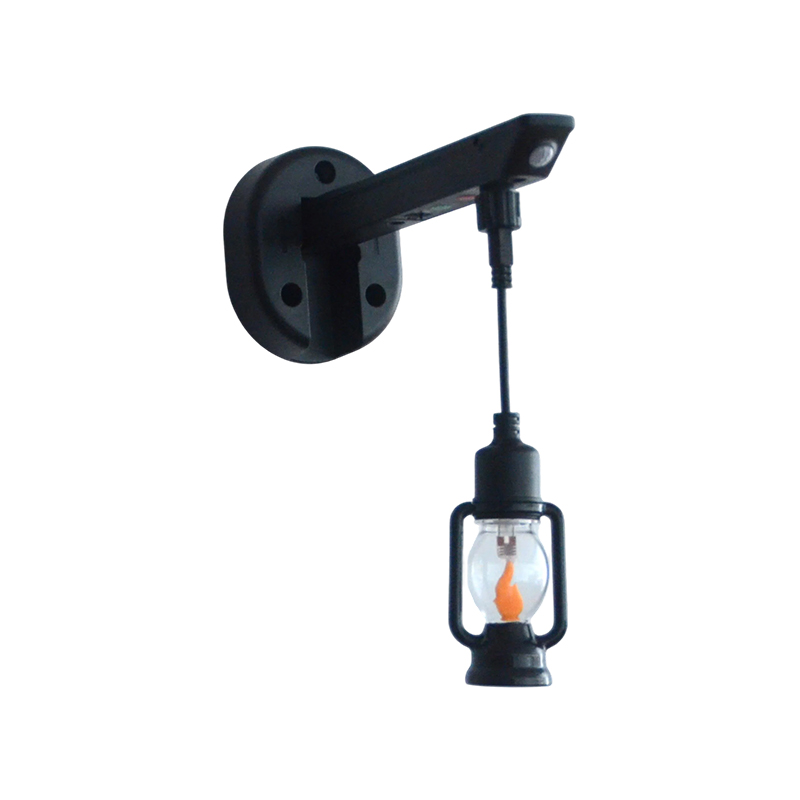
 Mob: +86-13901119074
 Tel: +86-574-62838966
 E-mail: sale2@hengboyi.com
 Add: No. 18 Rongchuang Road, Mingwei Village, Lizhou Street, Yuyao City, Ningbo, Zhejiang Province, China
