As OEM commercial outdoor lighting supplier and ODM decorative outdoor commercial lighting factory, Ningbo Hengboyi Lamp Co., Ltd. (formerly Yuyao Hengli Auto Parts Factory), established in 2003, is located in Yuyao City, Zhejiang Province, known as the "Hometown of Plastics in China." It is a manufacturer integrating R&D, production, sales, and self-operated export, primarily focusing on precision plastic product processing and high-tech electronic products. Its main business scope includes: lighting fixtures, lighting accessories, electronic products, and various injection molded parts, rubber parts, and hardware parts.
The company possesses complete processing, production, and testing equipment, a sound management system, strong technical capabilities, and advanced production processes, and has passed relevant quality system certifications. It has accumulated rich experience in the manufacturing and design of lighting fixtures and accessories. Both the appearance design and quality of its products have received consistent recognition and praise from domestic and international customers, establishing long-term cooperative relationships and becoming a designated supplier for lighting manufacturers both domestically and internationally.
Since its establishment, the company has adhered to the corporate philosophy of "Quality First, Integrity Foremost, Scientific Management, Pragmatic Innovation," sincerely treating every customer.
A brief that lands in our inbox often reads like this: smart LED lights, 10 meters, warm white, remote control, outdoor use, 5,000 sets, ship by August. It sounds complete. It actually leaves about eight decisions open, and every one of them changes the price, the lead time, or the warranty profile...
A hotel group in Rotterdam ordered 600 white paper lantern lights for a courtyard relaunch in late spring. The shades arrived on schedule, the paper was clean, and the production run matched the sample photographs. The problem surfaced two days before the opening: the cord sets in the shipment were...
A buyer opens a carton of five-metre festoon sets on a warehouse floor, lifts one bulb against the window, and asks the question that almost every decorative lighting order eventually runs into: why does this glass look greener, thinner and slightly out of round compared with the sample we approved...
How Do You Choose Commercial Outdoor Lighting That Lasts?
The short answer is that reliable commercial outdoor lighting depends on three factors working together: a weatherproof housing rated for the installation environment, a light source with stable long-term efficacy, and a fixture design flexible enough to serve both decorative and functional needs. For procurement teams sourcing commercial outdoor lightingat scale, these three factors determine whether a project experiences early failures or performs for a full decade. Buyers evaluating outdoor/indoor decorative lighting fixtures for hospitality venues, retail plazas, municipal parks, or mixed-use developments consistently report that ingress protection rating and material grade matter more than aesthetic finish alone, because the fixture that looks best in a showroom is not always the fixture that survives coastal humidity, freeze-thaw cycles, or continuous UV exposure.
This article walks through the practical criteria for selecting decorative commercial outdoor lighting, explains where Versatile String Lights Indoor & Outdoor Solutions fit into a broader lighting plan, and uses data visualizations to compare performance across common fixture categories. The goal is to give sourcing managers, contractors, and lighting designers a clear, evidence-based framework rather than a marketing overview.
Types of Outdoor/Indoor Decorative Lighting Fixtures Explained
The category of outdoor/indoor decorative lighting fixtures spans a wide range of products, and understanding the distinctions helps buyers match the right fixture to the right application. Broadly, the market divides into four groups.
(1) Structural and Architectural Fixtures
These include wall-mounted sconces, bollards, and in-ground uplights that are permanently integrated into a building facade or hardscape. They typically require IP65 or higher protection because they are exposed to direct rain and, in ground-mounted cases, standing water.
(2) Decorative Ambient Fixtures
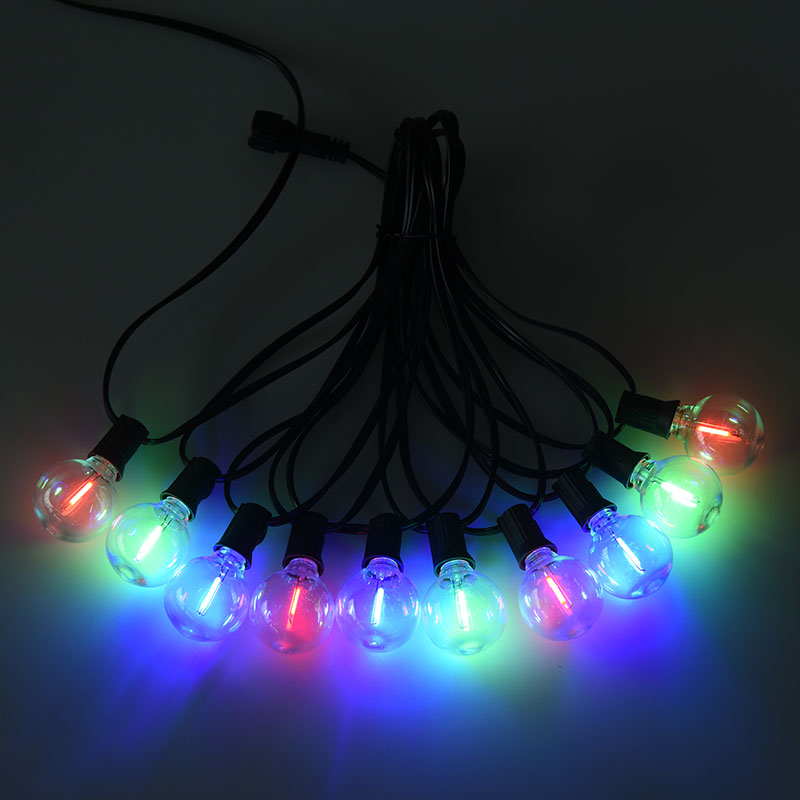
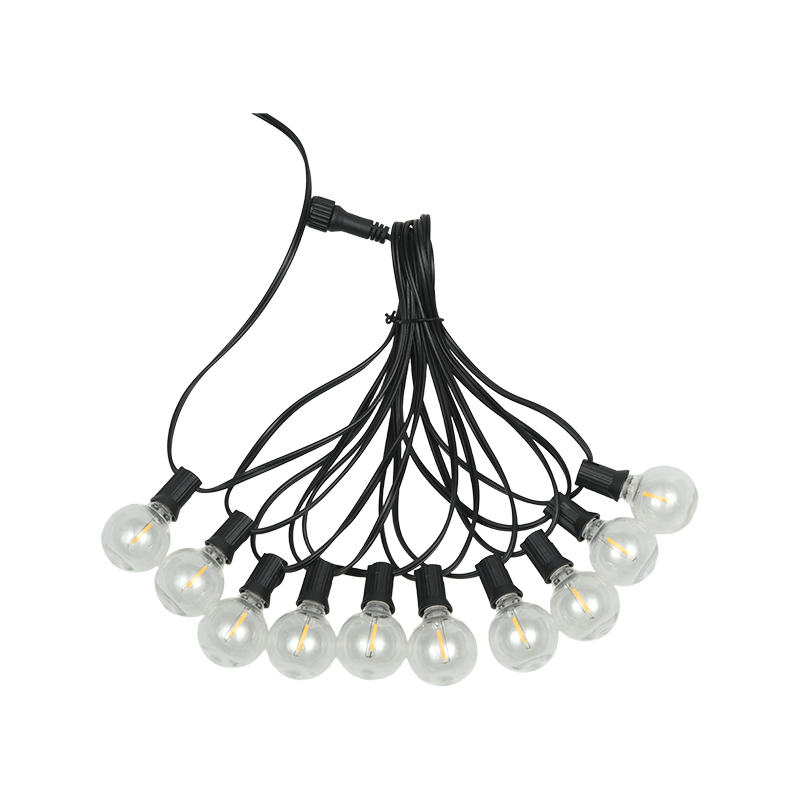
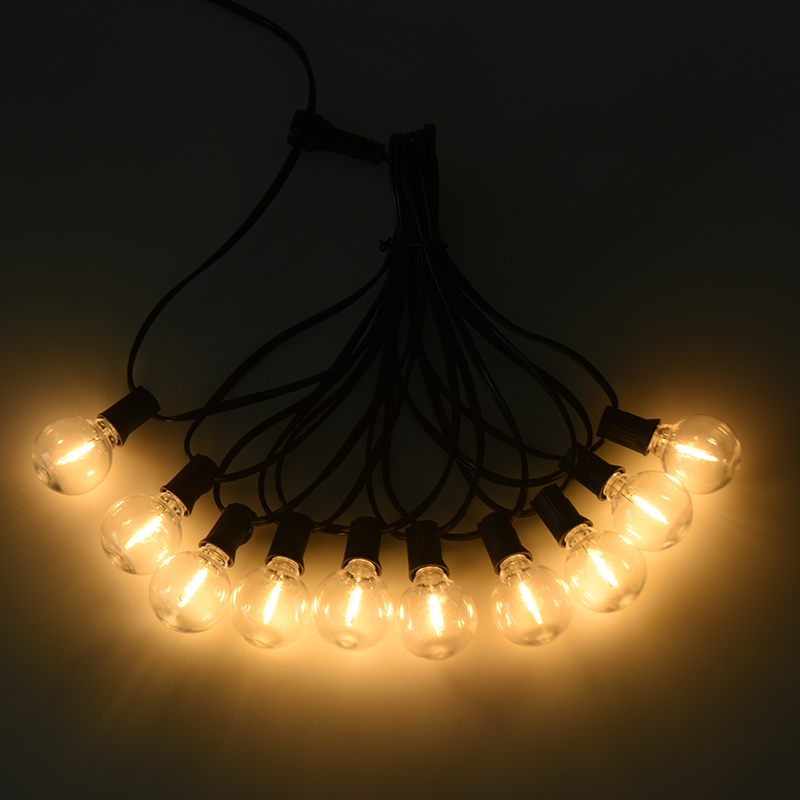
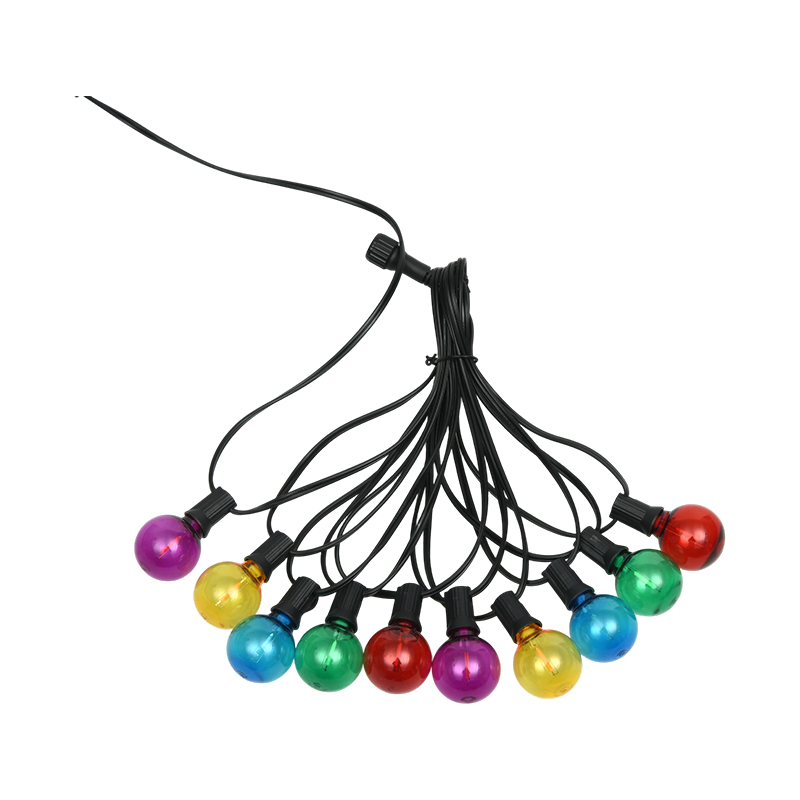
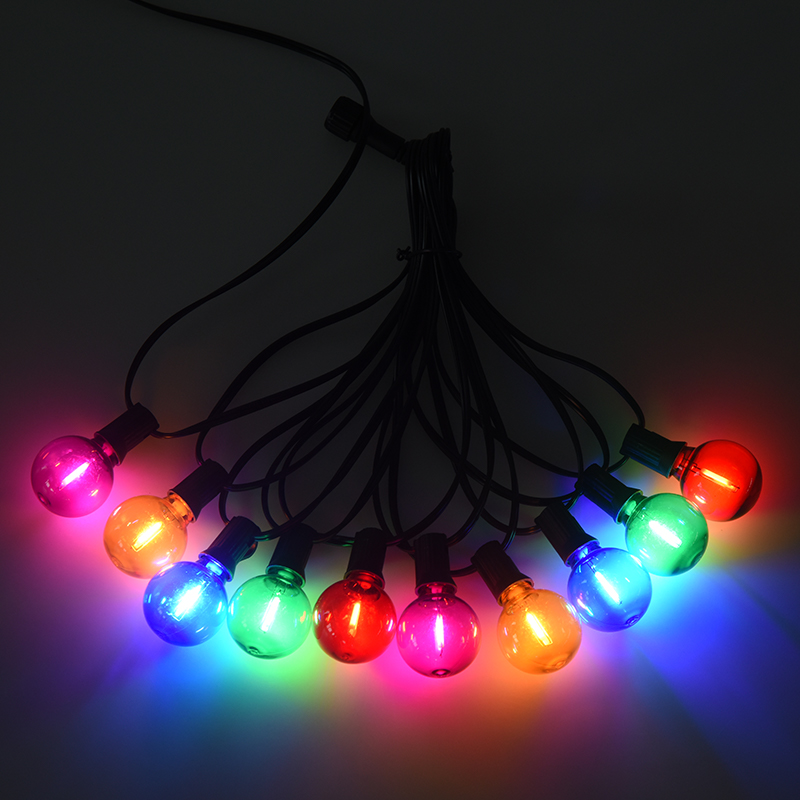
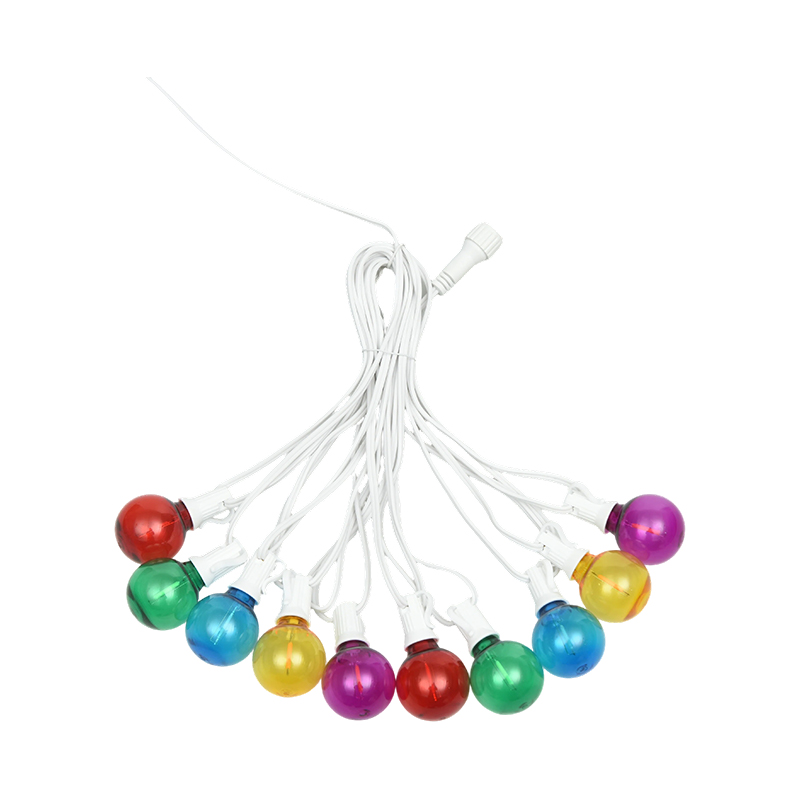
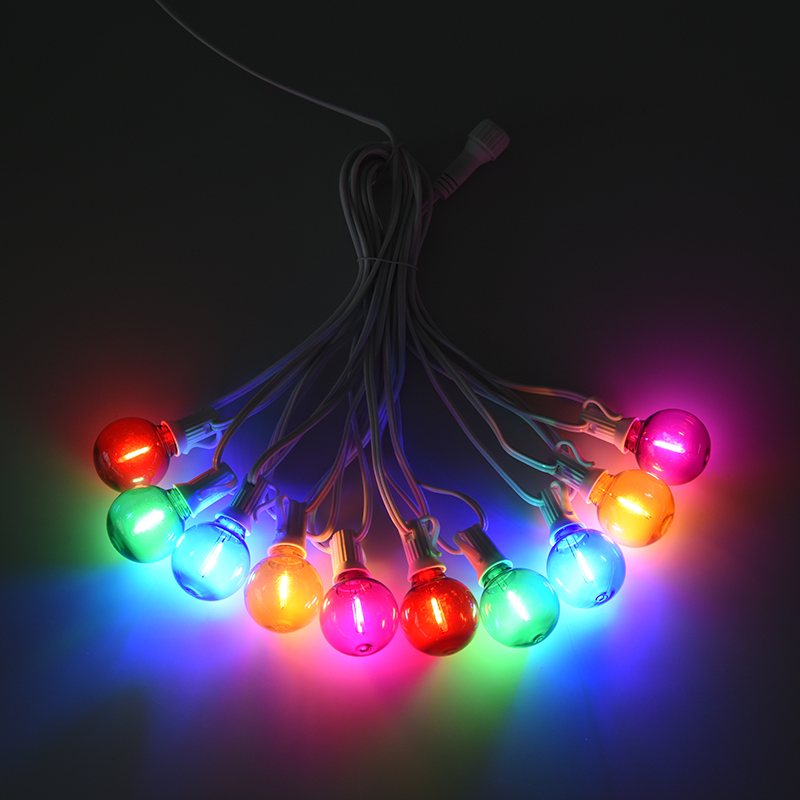
This group includes pendant-style lanterns, globe strings, and festoon lighting used to create atmosphere in courtyards, rooftop bars, and pedestrian streets. Ambient fixtures balance decorative appeal with moderate weather resistance, since they are often installed under canopies or seasonal awnings.
(3) Convertible Indoor/Outdoor Fixtures
A growing segment of outdoor/indoor decorative lighting fixtures is designed to move between environments, such as portable string lights that hang on a patio in summer and are relocated indoors for winter events. These fixtures need dual-rated housings and connectors that tolerate repeated handling.
(4) Functional Task and Security Lighting
Parking lot floodlights, pathway markers, and perimeter security fixtures prioritize lumen output and uniformity over decorative form, though many modern designs now blend both.
Recognizing which category a project falls into prevents the common mistake of specifying a decorative-grade fixture for a high-exposure functional role, or over-engineering a low-exposure ambient installation with unnecessarily heavy hardware.
Versatile String Lights Indoor & Outdoor Solutions for Every Space
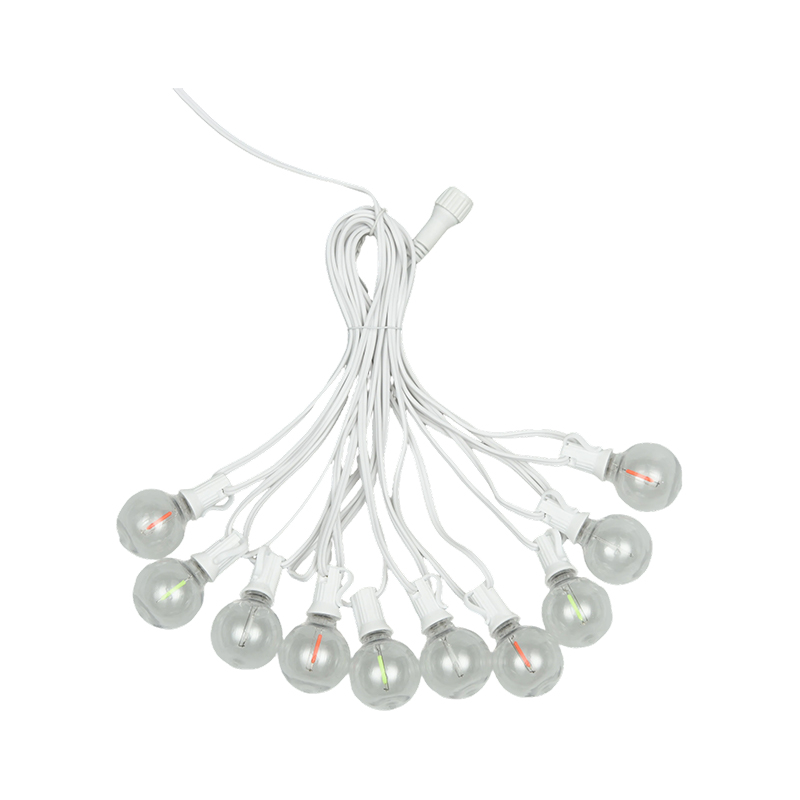
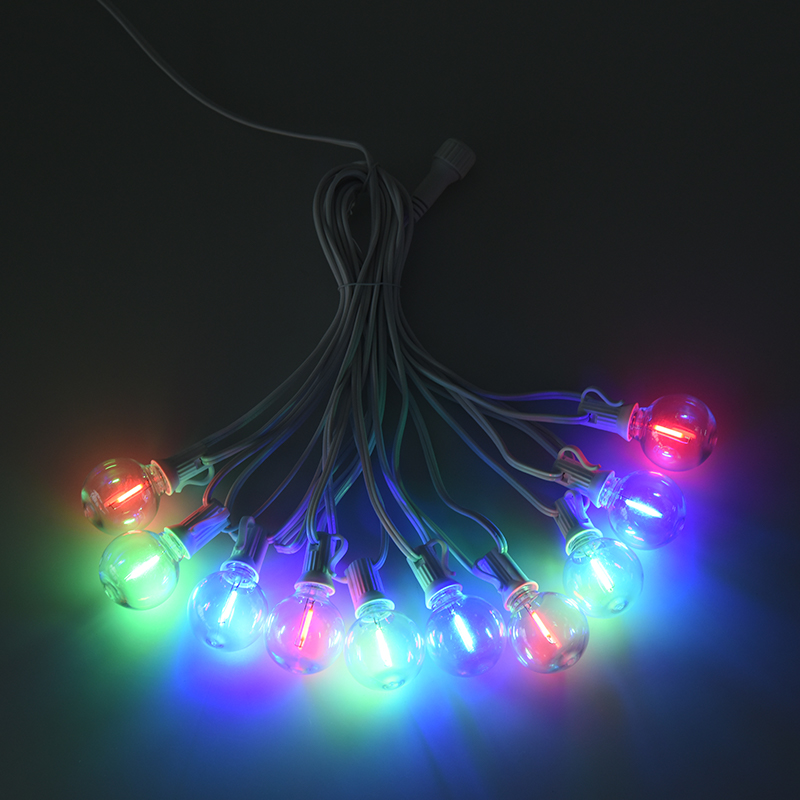
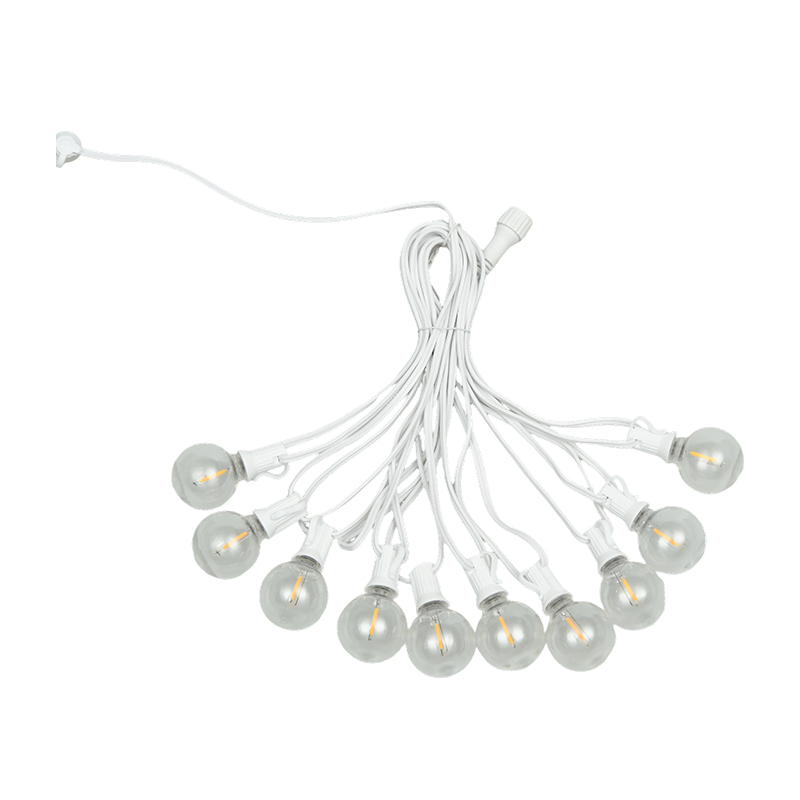
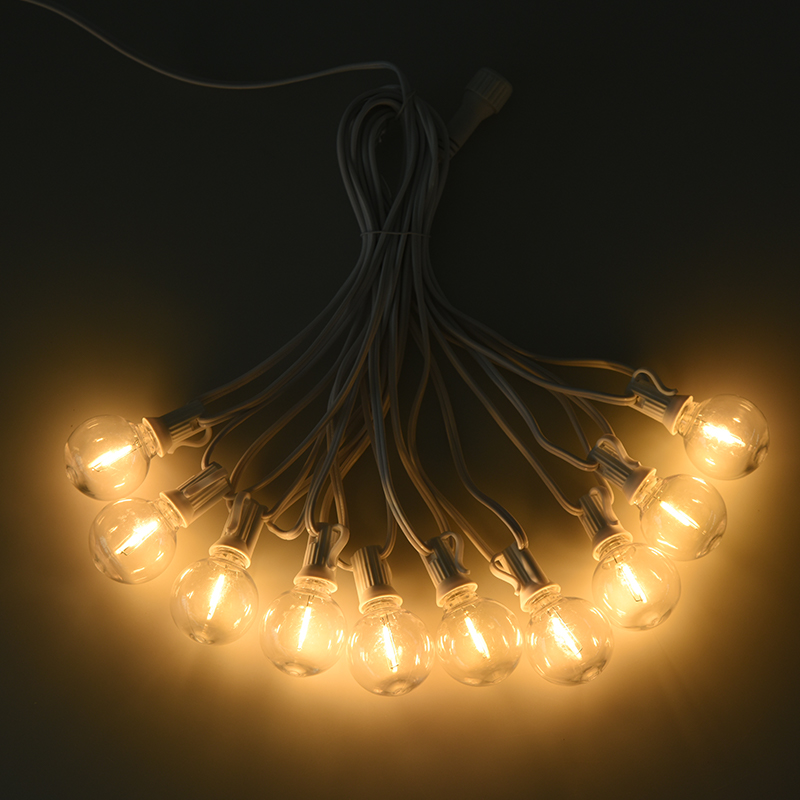
Among all decorative commercial outdoor lighting categories, string lights have become one of the most widely specified products for hospitality and public realm projects, largely because Versatile String Lights Indoor & Outdoor Solutions can serve a single continuous design language across a patio, a covered terrace, and an interior event space without swapping fixture families. This consistency reduces both procurement complexity and long-term maintenance overhead for property managers who operate multiple venue types.
Three design characteristics separate a genuinely versatile string light from a single-purpose one:
Shatter-resistant lamp covers that maintain optical clarity after repeated thermal cycling
Sealed socket connections that keep an IP rating intact even after seasonal disassembly and reassembly
Modular cable lengths that allow the same string set to be reconfigured for different span distances
Restaurants, hotel courtyards, and seasonal markets benefit the most from this flexibility, since a single inventory of string lighting can be redeployed across a full calendar of events rather than purchasing separate indoor and outdoor product lines.
Key Performance Metrics: IP Rating and Luminous Efficacy
Ingress protection rating is defined by the IEC 60529 standard and is one of the most objective ways to compare commercial outdoor lighting fixtures. A fixture rated IP44 resists splashing water and small debris, IP65 resists low-pressure water jets from any direction, and IP67 tolerates brief full immersion. The chart below compares typical IP-related weather resistance scores across four common fixture types, using a 0 to 100 relative scale built from standard test criteria.
The chart shows a clear pattern: fixtures intended for direct ground contact or continuous rain exposure, such as in-ground uplights and pathway bollards, are engineered to the highest IP thresholds because water intrusion at those locations causes the fastest component failure. Decorative string lights sit in a middle range because many models use a dual rating, offering a lower IP44 socket rating for covered or seasonal use and an IP65 option for fully exposed installation, which explains their broader score band. Wall sconces score moderately well since they benefit from the building facade acting as partial shelter from direct rainfall. Indoor-only fixtures score lowest on this particular scale simply because they are not engineered for water exposure at all, which is expected and not a defect, since their use case never requires it. For any procurement decision, this comparison illustrates that the IP rating should be matched to the actual installation exposure rather than defaulting to the highest available number, which can add unnecessary cost.
Energy Efficiency Trends in Commercial Outdoor Lighting
Luminous efficacy, measured in lumens per watt, has improved substantially across the LED lighting industry over the past several years as chip technology and thermal management design have matured. This trend directly benefits commercial outdoor lighting projects because higher efficacy means the same illumination level can be delivered with a smaller electrical load, which in turn reduces transformer sizing requirements and cabling costs on large installations.
The upward slope in this area chart reflects a well-documented industry pattern in which LED package efficiency has climbed steadily as manufacturers refined phosphor coatings, driver circuitry, and heat-sink geometry. For commercial outdoor lighting buyers, this trend has a practical consequence: a fixture purchased several years ago is very likely to be less efficient than a comparable model available today, which is why efficacy specifications should always be checked against current datasheets rather than assumed from memory of older product lines. The gradual, consistent nature of the curve, rather than a sudden jump, also suggests that efficiency gains are the result of incremental engineering refinement rather than a single breakthrough technology. This matters for long-term planning, since it means further modest efficiency gains are a reasonable expectation for future fixture generations rather than a dramatic step change. Facilities managers replacing aging outdoor/indoor decorative lighting fixtures on a rolling schedule can use this trend to estimate the approximate energy savings of a refresh cycle before committing to a full-site retrofit.
Where Decorative Commercial Outdoor Lighting Is Used Most
Decorative commercial outdoor lighting is deployed across several distinct market segments, each with different priorities for brightness, color temperature, and fixture durability. Understanding this distribution helps explain why manufacturers design product lines with overlapping but not identical specifications.
Hospitality venues represent the largest single share of decorative commercial outdoor lighting demand, which is consistent with the sector's ongoing emphasis on outdoor dining and rooftop event spaces where ambient lighting directly affects guest experience and repeat visitation. Retail environments follow closely, particularly in mixed-use developments and open-air shopping centers where storefront lighting is used to extend visible operating hours into the evening. Municipal projects, including public parks and pedestrian corridors, account for a meaningful share as well, though these projects typically prioritize durability and standardized color temperature over decorative variety. Residential commercial applications, such as multi-unit apartment courtyards, make up a smaller but steadily growing segment as property managers adopt hospitality-style outdoor lighting to differentiate their communities. Landscape lighting for gardens and walkways represents the smallest segment shown here, largely because these installations tend to use lower fixture counts per project compared to the other categories.
Comparing Lighting Fixture Categories
No single fixture type scores highest across every criterion, which is why lighting specifiers typically compare categories along multiple dimensions before finalizing a project plan. The radar chart below compares decorative outdoor/indoor decorative lighting fixtures against traditional single-purpose outdoor fixtures across five criteria, each scored on a relative 0 to 10 scale.
Decorative outdoor/indoor decorative lighting fixtures score noticeably higher on design flexibility and installation ease, which reflects their modular connectors and adaptable mounting hardware designed for varied venue layouts. Traditional single-purpose fixtures score somewhat higher on raw weather resistance in this comparison, since many are purpose-built for a single fixed exposure condition and can be over-engineered specifically for that scenario. Energy efficiency scores are broadly comparable between the two categories today, largely because both now rely on similar LED chip technology, narrowing a gap that was much wider a decade ago when decorative fixtures often used lower-grade components. Durability scores also sit close together, though traditional fixtures maintain a slight edge in extreme exposure sites such as coastal seawalls or industrial yards. Taken together, the chart supports a practical conclusion: for mixed-use or event-driven spaces, decorative fixtures offer better overall value, while single-purpose traditional fixtures remain preferable for the narrow set of sites with the most extreme and constant exposure conditions.
Table 1: Typical specification ranges for common outdoor/indoor decorative lighting fixtures
Fixture Type
Typical IP Rating
Common Color Temp
Typical Lifespan (hours)
Decorative String Light
IP44 to IP65
2700K to 3000K
25,000 to 30,000
Wall Sconce
IP44
3000K to 4000K
30,000 to 40,000
Pathway Bollard
IP65
3000K
35,000 to 45,000
In-Ground Uplight
IP67
3000K to 4000K
40,000 to 50,000
Isometric Overview of a Modular String Light Fixture
To illustrate how a Versatile String Lights Indoor & Outdoor solution is constructed, the isometric diagram below labels the core components that determine both decorative performance and weather durability.
The sealed cable jacket runs the full length of the string and is the primary barrier against moisture entering the electrical path between sockets. The molded socket housing at the base of each lamp position distributes mechanical load away from the connector itself, which reduces stress fractures during repeated seasonal installation and removal. The weather sealed connector ring is the component most responsible for maintaining the fixture's rated IP performance over time, since a degraded seal at this junction is the most common failure point in outdoor string lighting. The shatter resistant lamp cover protects the light source from impact while also diffusing output for a softer, more even glow across a venue. Understanding these four components helps buyers ask more precise supplier questions, such as the seal material used at the connector ring, rather than relying on the overall IP rating alone as the sole indicator of quality.
Installation Planning for Commercial Outdoor Lighting Projects
Selecting the right fixture is only half of a successful commercial outdoor lighting project. The other half is planning the installation sequence so that electrical load, spacing, and mounting method are worked out before fixtures arrive on site. Contractors who skip this planning stage often discover mid-project that a circuit was undersized for the total wattage of a string light run, or that mounting hardware specified for a masonry wall does not suit a stucco facade. A short planning checklist can prevent most of these delays.
(1) Load Calculation
Every circuit feeding outdoor/indoor decorative lighting fixtures should be calculated with headroom above the nameplate wattage of all connected fixtures, since inrush current during simultaneous startup can briefly exceed steady-state draw. This is particularly relevant for large string light installations that combine multiple runs on a single transformer.
(2) Span and Tension Planning
Versatile String Lights Indoor & Outdoor Solutions are often suspended across open spans between poles, trees, or building anchors. Correct catenary sag calculations prevent excessive tension on end connectors, which is one of the more common causes of premature socket failure in courtyard and rooftop installations.
(3) Grounding and Surge Protection
Outdoor circuits are more exposed to lightning-induced surges than interior wiring, so a properly grounded system with surge protection at the distribution panel helps protect sensitive LED drivers from voltage spikes.
Following a structured planning sequence like this one reduces the likelihood of callbacks after installation and helps ensure that decorative commercial outdoor lighting performs as designed from the first night of operation through years of continued use.
Seasonal Maintenance and Long-Term Value
Commercial outdoor lighting represents a long-term capital investment, and the total cost of ownership over a ten-year period is influenced far more by maintenance discipline than by the initial purchase decision alone. Property managers who schedule routine inspection twice a year, typically before and after the peak outdoor season, catch minor issues such as loosened connectors or accumulated debris before they progress into full fixture failures.
A simple maintenance checklist for outdoor/indoor decorative lighting fixtures typically includes the following steps.
Visual inspection of lamp covers for cracking, discoloration, or moisture pooling inside the housing
Verification that connector seals remain pliable rather than brittle, since brittle gaskets are the first sign of an aging IP seal
Cleaning of dust and pollen buildup on diffuser surfaces to maintain rated luminous output
Checking cable strain relief and support points for wear at anchor locations
Confirming that grounding connections remain tight, particularly after freeze-thaw cycles that can loosen hardware
Beyond routine upkeep, the choice of fixture family also affects long-term value in a less obvious way: standardizing on a single modular platform of Versatile String Lights Indoor & Outdoor Solutions across multiple venues allows a facilities team to stock a smaller range of spare parts, since sockets, connectors, and cable segments are interchangeable across installations. This reduces both warehousing costs and the time required to source a replacement part when a fixture is damaged. Facilities that instead mix many unrelated product lines from different eras often find that spare parts for older models become difficult to source, forcing a full fixture replacement even when only a single connector has failed. For this reason, sourcing teams increasingly evaluate not just the unit price of a fixture but the availability of compatible replacement components over the expected service life of the installation.
Energy considerations also factor into long-term value. As shown in the efficacy trend discussed earlier in this article, newer LED generations consistently draw less power for equivalent brightness, which means a lighting refresh completed on a reasonable cycle can offset a portion of its own cost through reduced electricity consumption over time. Combined with disciplined maintenance, this makes commercial outdoor lighting one of the more predictable line items in a facility's long-term operating budget, provided the fixture family chosen at the outset has the durability and modularity to support that predictability.
Matching Fixture Selection to Venue Type
Different venue types place different demands on decorative commercial outdoor lighting, and a mismatch between fixture design and venue use case is one of the most common sourcing mistakes. The table below summarizes typical fixture priorities across four common commercial venue categories, based on the application share patterns discussed earlier in this article.
Table 2: Fixture priorities by common commercial venue category
Venue Type
Primary Fixture Priority
Recommended IP Rating
Typical Color Temp
Hotel Courtyard
Ambiance and design flexibility
IP44 to IP65
2700K
Open-Air Retail Plaza
Uniform illumination and visibility
IP65
3000K to 4000K
Municipal Park Pathway
Durability and low maintenance
IP65 to IP67
3000K
Residential Courtyard
Cost-effective ambiance
IP44
2700K to 3000K
Hotel courtyards and rooftop venues generally prioritize ambiance and flexible layout options, since these spaces are frequently reconfigured for different events and benefit from the modularity of Versatile String Lights Indoor & Outdoor Solutions. Open-air retail plazas place more weight on uniform illumination levels to support safe pedestrian movement and clear storefront visibility after dark, which typically calls for a higher and more consistent IP65 rating across the full fixture run. Municipal park pathways emphasize durability and minimal maintenance intervention above all else, since public works budgets are often structured around long service intervals rather than frequent site visits. Residential courtyard installations tend to favor a cost-effective approach with a lower IP rating, since these spaces are usually smaller in scale and partially sheltered by surrounding structures. Recognizing these differing priorities before specifying a fixture helps ensure that the final installation matches the operational reality of the venue rather than a generic one-size-fits-all approach.
About Ningbo Hengboyi Lamp Co., Ltd.
As an OEM commercial outdoor lighting supplier and ODM decorative outdoor commercial lighting factory, Ningbo Hengboyi Lamp Co., Ltd. (formerly Yuyao Hengli Auto Parts Factory), established in 2003, is located in Yuyao City, Zhejiang Province, known as the Hometown of Plastics in China. The company integrates research and development, production, sales, and self-operated export, with a primary focus on precision plastic product processing and high-tech electronic products. Its main business scope includes lighting fixtures, lighting accessories, electronic products, and a range of injection molded parts, rubber parts, and hardware components.
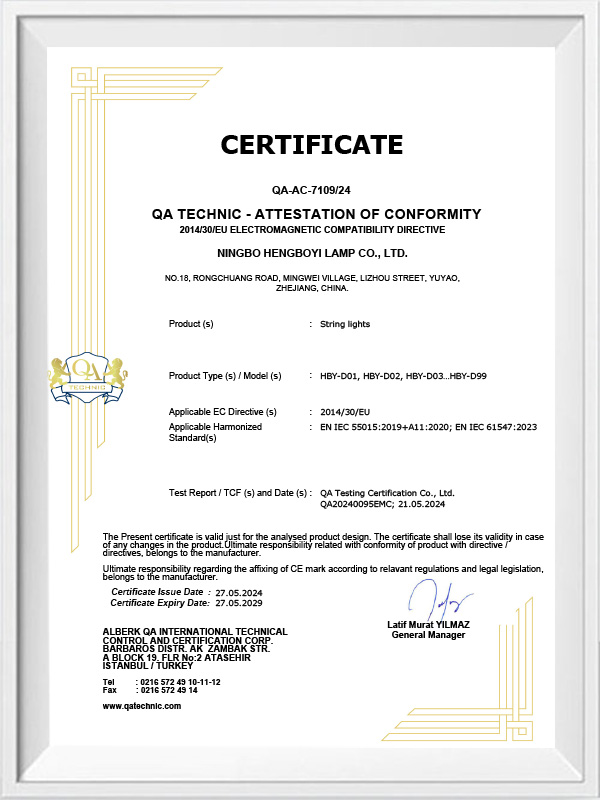
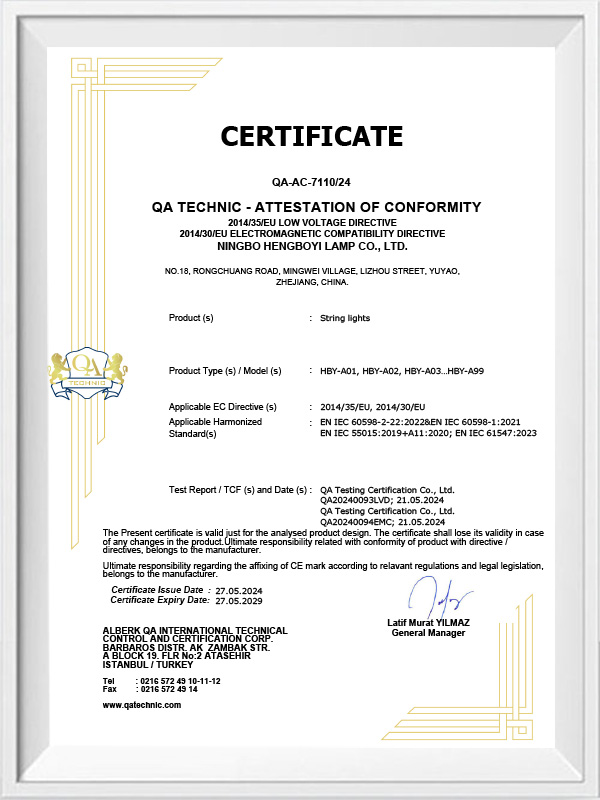
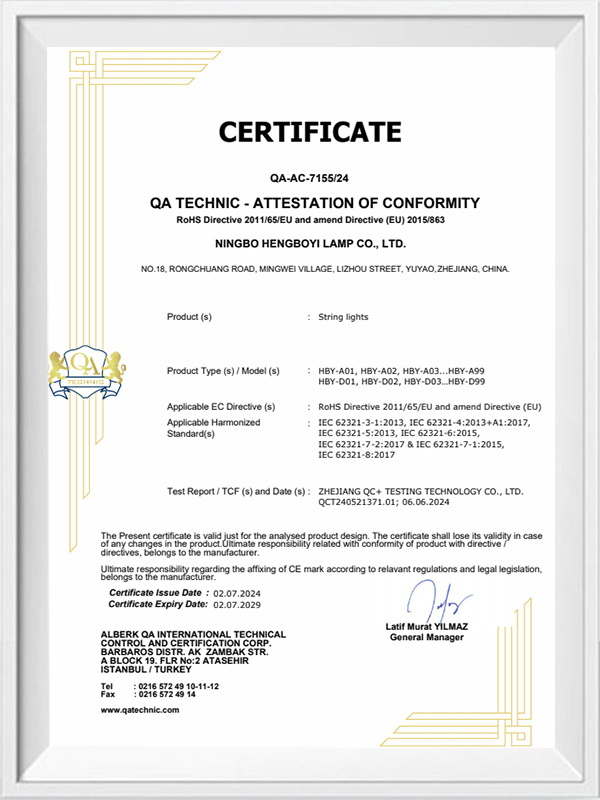
The company maintains complete processing, production, and testing equipment, a structured management system, strong technical capability, and advanced production processes, supported by relevant quality system certifications. Over the years it has built substantial experience in the manufacturing and design of lighting fixtures and accessories, and its product appearance and quality have been consistently recognized by domestic and international customers, resulting in long-term cooperative relationships and status as a designated supplier for lighting manufacturers both in China and abroad.
Since its establishment, Ningbo Hengboyi Lamp Co., Ltd. has followed the corporate philosophy of quality first, integrity foremost, scientific management, and pragmatic innovation, treating every customer relationship with sincerity as it continues to develop outdoor/indoor decorative lighting fixtures and Versatile String Lights Indoor & Outdoor Solutions for commercial buyers worldwide.
Sustainability and Certification Considerations
Sustainability has become an increasingly common evaluation criterion for commercial outdoor lighting procurement, particularly for hospitality groups and municipal buyers that report on environmental performance as part of broader corporate or public accountability programs. Several factors contribute to the sustainability profile of decorative commercial outdoor lighting, and buyers benefit from understanding each one individually rather than relying on a single blanket claim.
(1) Material Recyclability
Housings and connector components made from common thermoplastics such as polycarbonate or PVC can typically be processed through standard plastics recycling streams at the end of a fixture's service life, provided metal and electronic components are separated first. Specifying fixtures built from clearly identified material grades makes this separation process simpler for facilities teams at the point of decommissioning.
(2) Energy Consumption Over the Service Life
As discussed in the efficacy trend section earlier, LED technology has continued to reduce power draw per unit of light output, and choosing current-generation fixtures rather than legacy stock directly reduces the cumulative electricity consumption of a lighting installation across its operating life.
(3) Component Longevity
A fixture that lasts longer before requiring replacement inherently reduces the manufacturing and shipping footprint associated with producing and transporting a replacement unit. This is one of the underlying reasons that durability metrics, such as the IP rating comparisons shown earlier in this article, are relevant to sustainability discussions and not just to short-term reliability.
When evaluating suppliers of outdoor/indoor decorative lighting fixtures on sustainability grounds, buyers are generally better served by asking specific, verifiable questions, such as the material composition of housings, the documented lifespan testing methodology, and whether packaging materials are recyclable, rather than accepting broad unqualified sustainability claims. This approach produces more meaningful comparisons between suppliers and supports more defensible reporting for organizations that must document their sourcing decisions to stakeholders or regulators.
Frequently Asked Questions
Q1: What IP rating is recommended for outdoor string lighting in a covered patio?
For covered patios where the fixture is sheltered from direct rain, an IP44 rating is generally sufficient, since the main exposure risk is splashing rather than sustained water contact. Fully exposed installations without any overhead cover typically call for an IP65 rated string light instead.
Q2: Can the same outdoor/indoor decorative lighting fixtures be used in both settings without modification?
Many modern fixtures are engineered with dual-rated components specifically so they can move between indoor and outdoor placement, but buyers should confirm the connector seal type and cable jacket rating before assuming full interchangeability across every model.
Q3: How long do commercial grade string lights typically last?
Commercial grade LED string lights commonly reach a rated lifespan in the range of 25,000 to 30,000 hours under normal operating conditions, though actual service life depends heavily on installation exposure and how carefully the fixtures are handled during seasonal setup.
Q4: What color temperature works best for hospitality venues?
A warm color temperature in the 2700K to 3000K range is the most common choice for hospitality and dining environments, since it produces a soft, welcoming ambiance that complements outdoor seating areas without competing with architectural lighting.
Q5: What maintenance steps extend the service life of decorative commercial outdoor lighting?
Routine maintenance should include periodic inspection of connector seals, cleaning of lamp covers to preserve light output, and checking cable strain relief points, since these are the areas most likely to degrade first under continuous outdoor exposure.
Q6: How should buyers evaluate a supplier of outdoor/indoor decorative lighting fixtures?
Buyers should review the supplier's testing equipment, certification records, and prior experience with similar project types, and request clear documentation of IP rating test methods rather than relying on marketing descriptions alone.
 Telephone: +86-574-62838966
 E-mail : sale2@hengboyi.com


 en
en  English
 Español
 中文简体
中文简体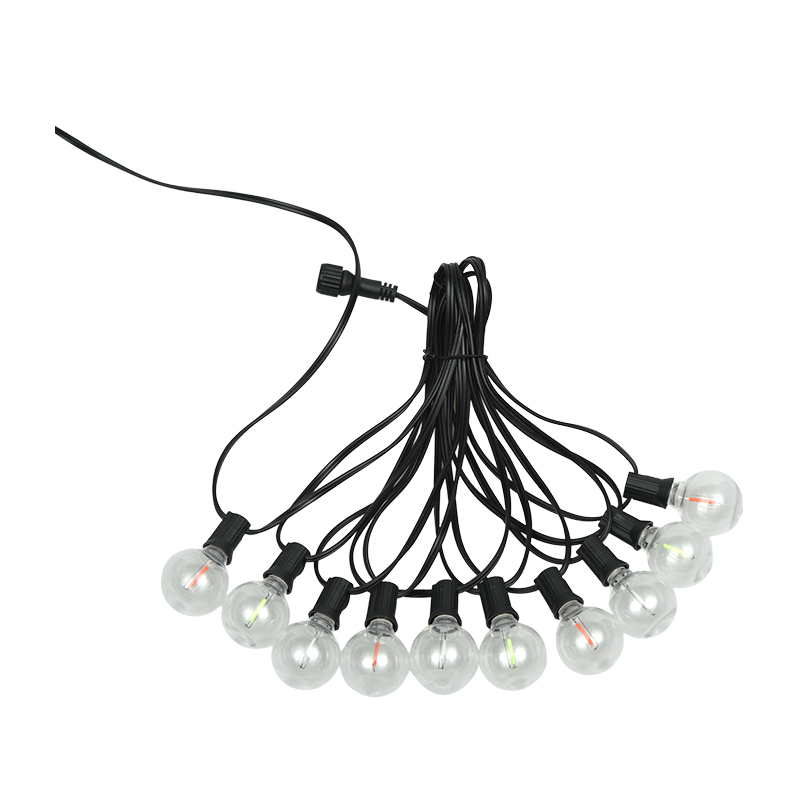
 Mob: +86-13901119074
 Tel: +86-574-62838966
 E-mail: sale2@hengboyi.com
 Add: No. 18 Rongchuang Road, Mingwei Village, Lizhou Street, Yuyao City, Ningbo, Zhejiang Province, China
