 Telephone: +86-574-62838966
 E-mail : sale2@hengboyi.com


 en
 English
 Español
 中文简体

Lamp Shades for Outdoor String Lighting: Sourcing Guide for B2B Buyers
Content
- 1 Why Lamp Shades Decide Whether an Outdoor Lighting Order Succeeds
- 2 Material Choices for Outdoor Lamp Shades: What Buyers Should Compare
- 3 Fit and Interface: E12, E27, E26 and the Cost of a Loose Shade
- 4 Solar Wall Light Shades and the Weather Problem
- 5 A Practical Sourcing Process for Lamp Shades
- 6 Quality Checks, Packaging and Wholesale Lamp Shades Risks
- 7 How Hengboyi Lighting Supports Lamp Shades Projects
- 8 Project Resources for Lamp Shades Sourcing
- 9 FAQ About Lamp Shades for B2B Buyers
- 9.1 How do I confirm that a lamp shade fits an E27 or E12 holder?
- 9.2 What weather tests should outdoor lamp shades pass?
- 9.3 Can lamp shades be customized for a private-label string light range?
- 9.4 Why do transparent shades sometimes look cloudy after production?
- 9.5 Should I buy from a lamp shade manufacturer or a general wholesaler?
- 9.6 How should replacement lamp shades be packed?
A buyer for a garden lighting range once told me that the fastest way to turn a good string light order into a costly return is to treat lamp shades as a cosmetic detail. The first shipment looked fine in the warehouse. Six weeks later, shades on a coastal patio installation had gone chalky, two had cracked around the E27 socket, and the retail customer wanted the whole batch reviewed. The lights still worked. The shades did not.
That is why lamp shades deserve a proper specification discussion before the purchase order is signed. The shade on an outdoor string light or solar wall light is not just a decorative outer shell. It affects light distribution, heat clearance, socket fit, wind load, packaging density, and the long-term appearance of the product after rain, sun and transport. For a lighting brand, supplier or wholesaler, the decision is a mix of design and supply-chain risk.
The short answer: choose lamp shades by matching material, fit and installation environment, then verify those choices with samples, weathering tests and packaging checks. Price matters, but a shade that fails in the field is rarely cheap. This guide looks at the practical sides of lamp shade sourcing from the perspective of an outdoor decorative lighting manufacturer, with examples from string lights, solar wall lights and curtain light ranges.
Treat lamp shades as a performance component, not a last-minute color choice; the cost of a field failure is usually higher than the cost of a better shade.
Why Lamp Shades Decide Whether an Outdoor Lighting Order Succeeds
An outdoor lamp shade has to do more than look right in a photo. It has to hold its shape through temperature swings, resist UV yellowing, stay attached in wind, and allow enough air movement around the lamp. A shade that is too tight around a bulb can trap heat. A shade that is too loose can rattle or rotate in service. A shade with sharp inner edges can damage the cable or the socket during assembly.
The same is true for solar wall lights. The shade often forms the visual identity of the product, but it also protects the LED module and diffuses light. If the material becomes brittle after a few months, the customer sees a broken product even if the solar panel and battery are still healthy. That is why experienced buyers ask for shade samples that have been aged, not just fresh samples from the tooling room.
There is also a commercial reason. Lamp shades influence how a product is packed, how many units fit in a carton, and how much protective material is needed. A fragile shade may need individual wrapping, foam inserts and a larger master carton. Those details change the landed cost. A supplier who can adjust the shade design for stackability and drop resistance often creates more value than a supplier who only offers a lower unit price.
For B2B buyers, the shade decision should be recorded in the product specification. That record should include material grade, wall thickness, surface finish, socket type, inner diameter tolerance, assembly method, aging test result, packaging method and approved sample reference. When those details are clear, the manufacturer can keep production consistent and the buyer can compare quotations fairly.
A lamp shade specification is a risk-control document; if it only describes color and shape, the buyer has left the important variables open.
Material Choices for Outdoor Lamp Shades: What Buyers Should Compare
The material conversation usually starts with plastic versus metal versus woven or natural-look finishes. Each choice brings a different balance of cost, tooling, weather resistance and design feel. For outdoor decorative lighting, the common shade bodies include polycarbonate, acrylic, ABS, PET, metal with powder coating, and woven or bamboo-style outer structures. Some are transparent, some are frosted, and some are opaque with cutout patterns.
Polycarbonate is often chosen where impact resistance matters. It can handle accidental knocks better than many rigid plastics, but it still needs UV stabilization for long outdoor use. Acrylic can give very good clarity, yet it demands careful handling because it can crack under stress or poor packing. ABS is widely used for molded housings, but the grade and wall thickness must suit the product. Metal shades can look premium, but coating quality and edge treatment are critical.
Woven or bamboo-style shades create a warmer decorative look. The key question is not whether the weave looks attractive on day one, but whether the coating and base structure can survive moisture and sunlight. Buyers should ask for close-up photos of cut edges, fixing points and the inner support frame. They should also ask how the weave is treated against mold and color fade. A natural-look product can still be specified with synthetic materials for repeatable outdoor performance.
| Shade approach | Typical strength | Main sourcing risk | Useful check before order |
|---|---|---|---|
| Clear or frosted polycarbonate | Good impact resistance and light diffusion options | UV yellowing, visible scratches, uneven wall thickness | QUV or outdoor aging sample, light transmission comparison, drop test |
| Acrylic shade body | High clarity and a clean decorative look | Cracking during assembly or transport | Stress test at fixing points, carton drop test, edge inspection |
| Metal shade with coating | Premium appearance and structure | Coating chips, rust at cut edges, sharp inner edges | Salt spray result, coating adhesion test, edge radius check |
| Woven or bamboo-style outer shade | Warm visual character for patios and gardens | Moisture damage, color fade, loose weave | Humidity test, color fastness check, frame pull test |
| Transparent decorative shade for string lights | Shows the bulb and creates a classic festival look | Surface clouding, socket misalignment, packing marks | Fit gauge check, visual standard under two light angles, packaging trial |
The table is not a ranking. It is a reminder that the right shade depends on the product story and the market. A buyer serving hospitality gardens may value a premium metal look and accept higher packing care. A buyer serving retail garden centers may prioritize impact resistance and simple assembly. A wholesaler may care most about carton density and stable color from batch to batch.
Compare lamp shade materials against the installation environment and the carton journey, not only against the showroom sample.
Fit and Interface: E12, E27, E26 and the Cost of a Loose Shade
A lamp shade can look correct and still fail at the socket. The interface between the shade and the lamp holder is where small tolerance errors become visible. For E12, E27 and E26 lamp holders, the inner opening, the fixing clip, the thread clearance and the shade seating depth all need to be defined. A difference of a millimeter may not sound important, but it can cause a shade to sit crooked, rotate too easily or press against the bulb.
String lights add another layer because the shade may hang from a wire or attach to a pendant holder. The weight of the shade then pulls on the lamp holder and cable. A buyer should check how the shade is supported. Is it clipped to the bulb holder, threaded onto the holder, or suspended by a separate frame? Each method has a different assembly time and a different failure mode. For high-volume orders, assembly time directly affects the quoted price.
On one outdoor string light project, the shade was designed to clip onto an E27 spiral holder. The first samples fitted well. During mass production, the holder supplier changed a small mold detail, and some shades became tight while others became loose. The problem was not the shade alone; it was the missing tolerance stack-up between two purchased components. The lesson is simple: approve the shade and the lamp holder as a matched set, not as two separate items.
 S14 E27 Spiral Transparent Lampshade String LightDecorative indoor/outdoor string light with E27 spiral transparent shades and hanging-wire layout; check shade-to-holder fit as a matched set.View Product →
Products such as transparent-shade string lights show why fit checks matter. The shade is visible from every angle, so any tilt, scratch or clouding is easy for the end customer to notice. The buyer should ask for a fit gauge or a go/no-go check at the factory. They should also review the assembly instruction, because a shade that is difficult to install can create damage during installation even if the factory assembly is correct.
For retailers and wholesalers, replacement shades are sometimes requested after sale. That creates a spare-parts question. If the shade is not available as a separate service part, the customer may need a complete light set. A manufacturer that keeps shade tooling and color records can support replacement batches more reliably. This is a small detail in the purchase negotiation, but it becomes important when a brand wants to protect its after-sales reputation.
Approve the lamp shade together with its socket and holder; a shade that fits a sample holder but not the production holder is a hidden quality cost.
Solar Wall Light Shades and the Weather Problem
Solar wall lights create a special shade challenge because the product is often mounted on an exterior wall with little protection from sun, rain and coastal air. The shade may be the largest visual surface, so color shift and surface cracking are immediately visible. It also sits close to the LED and battery compartment, which means heat management and sealing cannot be ignored.
A buyer should ask how the shade is fixed to the wall bracket. Screw bosses, snap fits and gaskets all behave differently after repeated thermal expansion. If the shade is over-tightened during installation, stress marks can appear. If it is too loose, water can enter. The factory should provide an installation torque recommendation or a clearly molded stop feature so the installer does not guess.
 G45 Smooth Surface Solar Wall LightSolar wall light with smooth transparent shade and warm white output; its simple clean-surface design suits entryways, paths and fences.View Product →
Clean-surface shades, such as a G45 smooth wall light design, are easier to wipe clean but show scratches and fingerprints more readily. That means the factory needs a controlled handling process and protective film where appropriate. The buyer should inspect the packed product, not only the unpacked sample, because surface damage often happens in the last meter of the packing line.
 Vintage Kerosene Lamp Style Flame-Effect Solar Wall LightWall-mounted solar ambient light with kerosene-lamp shape and warm flickering flame effect; shade finish shapes the look for courtyard walls and balconies.View Product →
Vintage or flame-effect wall lights add another layer. The shade shape and surface finish create the nostalgia, but the flame effect depends on light diffusion through the shade. A change in material grade or wall thickness can soften or distort the effect. Buyers should approve the shade under the actual LED color temperature and at the intended mounting height, not only under bright office lighting.
Weather testing should be proportional to the market. A product sold in a dry inland region does not need the same salt-spray review as a product sold near the coast. However, the buyer should still confirm UV aging, water spray and thermal cycling requirements with the supplier. A manufacturer familiar with international markets can usually propose a test plan based on the destination and the product standard.
For solar wall lights, the lamp shade is part of the weather seal and the optical design; it should be approved with the complete fixture, not as a standalone shell.
A Practical Sourcing Process for Lamp Shades
The sourcing process works best when it follows the product life cycle instead of starting with a price request. A clear brief helps the manufacturer quote accurately and reduces sample rounds. The brief should include the lamp holder type, bulb shape, product application, target market, expected lifetime, packaging method, estimated order quantity and any certification or testing needs.
- Define the shade function: decorative cover, light diffuser, weather barrier or a combination. This step decides the material shortlist.
- Confirm the mechanical interface: E12, E27, E26, pendant frame, clip or threaded fixing. Provide a holder drawing if available.
- Agree on the visual standard: color chip, gloss level, transparency or frosting level, texture and acceptable surface defects.
- Request aged samples or test data for UV, humidity, heat and impact. Fresh samples alone cannot show long-term performance.
- Review the assembly method and estimated labor time. A shade that is hard to assemble can slow the whole production line.
- Run a packaging trial with the final carton, divider and protective film. Check drop performance and carton density.
- Lock the approved sample, drawings, test report and inspection checklist before mass production.
- Plan a pre-production meeting with the manufacturer, especially if more than one component supplier is involved.
This process may look heavy for a simple shade, but each step removes a common cause of claims. The most expensive problems usually come from unclear interfaces and unstated appearance limits. A buyer who defines the acceptable range for color, fit and surface quality gives the factory a fair target and gives the end customer a consistent product.
For a wholesaler, the order pattern may include repeated small batches across several SKUs. In that case, the shade should be designed for stable production even at lower volumes. Color masterbatch records, tooling maintenance and spare-part planning matter more than a one-time sample. A supplier who can keep the same shade appearance across repeat orders is often more valuable than one who offers the lowest first-order price.
Lock the lamp shade specification before the first mass-production run; sample approvals without written tolerances are difficult to enforce later.
Quality Checks, Packaging and Wholesale Lamp Shades Risks
Quality control for lamp shades should combine visual checks with dimensional and performance checks. Visual checks alone are subjective unless the buyer provides a limit sample. Dimensional checks catch socket misfit and assembly problems. Performance checks catch material weaknesses that may not appear until the product has been exposed to heat, moisture or sunlight.
The chart below is an example of how a buyer might weight inspection effort for an outdoor shade order. It is not a universal formula, but it helps a sourcing team discuss where to spend time. A product with a transparent shade and a high-end retail finish may need more visual inspection. A product with a new material or a new tool may need more dimensional and aging checks.
Example inspection weighting for outdoor lamp shade orders
Material
weathering
weathering
92%
Socket fit
and assembly
and assembly
78%
Surface
appearance
appearance
64%
Carton drop
and packing
and packing
56%
Label and
spare parts
spare parts
44%
The weighting reflects a practical point: shade failures often start with material aging and fit, not with the obvious visual check on the line. A factory can inspect every shade under bright light and still miss a UV problem that appears after three months outdoors. That is why material test records and aged samples belong in the approval file. The same logic applies to packaging. A shade may pass the line inspection and still arrive scratched because the carton design was never tested with the real product.
For wholesale lamp shades or private-label programs, packaging consistency is part of the brand experience. The buyer should approve the printed carton, inner divider, protective bag and any installation sheet together. If the shade is sold as a replacement part, the label must clearly identify the compatible holder and product family. A wrong label can create more returns than a minor molding variation.
Another common risk is color variation between batches. Translucent and frosted shades are especially sensitive because small changes in pigment or wall thickness change the lit appearance. The buyer should keep a retained approved sample and compare new batches under the same light source. The manufacturer should record the masterbatch formula and the molding parameters that affect the shade.
Inspection should follow the failure mode: weathering and fit deserve more attention than a quick visual pass under strong office light.
How Hengboyi Lighting Supports Lamp Shades Projects
Ningbo Hengboyi Lighting has been developing and manufacturing decorative string lights and solar lighting products since 2003. The product range includes solar string lights, solar wall lights, curtain light strings and conventional string lights in formats such as G40, G45, C7, S14, ST38, C45 and A60. That range gives buyers a practical starting point for lamp shade discussions because the shade often has to match an existing holder, bulb shape and installation style.
The company positions itself as a manufacturer serving lighting brands and manufacturers in global markets, with production and testing facilities, export documentation and experience with international market requirements. For a shade project, that means the conversation can cover voltage, wire type, length, appearance, packaging and prototype development from drawings or samples. It also means the shade can be reviewed together with the complete light set rather than as an isolated part.
Custom work is most useful when the buyer brings a clear performance brief. For example, a buyer may need a transparent E27 shade for a festival string light, a G45 solar wall light body for a garden range, or a vintage flame-effect wall light for a hospitality project. In each case, the manufacturer can discuss material options, tooling, sample timing and production checks. The goal is not to sell a catalogue item where a custom fit is needed; it is to match the shade to the product and the market.
Quality control at the manufacturing stage should cover incoming materials, molding or forming, assembly, aging tests and final inspection. The buyer should still verify the approved sample and test plan, but a manufacturer with a documented process makes that verification easier. Delivery planning also matters. Shades that need special protective packaging should be included in the production schedule early, not added after the light sets are ready.
Use a manufacturer that can review lamp shades with the full light assembly, because fit, sealing and packing problems rarely belong to the shade alone.
Project Resources for Lamp Shades Sourcing
A sourcing plan becomes easier when the buyer has a reference point for decorative lighting applications and a clear view of the product families involved. The two resources below are useful starting points for a project brief. They are not a substitute for sample approval, but they help align the design, purchasing and quality teams before the first sample request.
- A complete guide to commercial outdoor and indoor decorative lighting
- Solar string lights product range for outdoor decorative projects
Use these pages to frame the application, then send the manufacturer a short brief with holder type, shade size, material preference, target market and expected order quantity. A focused brief usually reduces sample rounds and makes the quotation more comparable. If the project includes several SKUs, group them by shade family so that tooling and color control can be planned together.
A good lamp shade brief connects the application, the holder and the packing plan; missing any one of the three usually adds a sample round.
FAQ About Lamp Shades for B2B Buyers
How do I confirm that a lamp shade fits an E27 or E12 holder?
Ask for a dimensional drawing of the shade opening and the holder, then request an assembled sample. Check the seating depth, clip tension and any tilt under the weight of the shade. For production, use a go/no-go gauge and inspect a sample from each assembly batch. Do not approve the shade without the actual holder that will be used in mass production.
What weather tests should outdoor lamp shades pass?
The test plan should match the market and installation environment. Common checks include UV aging, humidity or water spray, thermal cycling and impact or drop testing. Coastal projects may also need a salt-spray review for metal parts. Ask the supplier for test reports and keep an aged sample as a visual reference.
Can lamp shades be customized for a private-label string light range?
Yes, customization can cover shade shape, color, surface finish, transparency, packaging and compatibility with a selected holder. The buyer should provide drawings, reference samples and target performance requirements. A manufacturer with in-house development can usually propose material and tooling options, then build a prototype for review before mass production.
Why do transparent shades sometimes look cloudy after production?
Clouding can come from material grade, mold temperature, surface contamination or packing marks. It can also appear after cleaning with the wrong agent. The buyer should define the visual standard under a consistent light source and ask the factory to control handling and protective film. A retained sample helps compare future batches.
Should I buy from a lamp shade manufacturer or a general wholesaler?
It depends on the level of control you need. A general wholesaler may offer a wider catalogue and faster small-volume supply. A manufacturer is usually better for custom shades, matched holders, tooling changes and production testing. For repeat programs, ask who owns the mold, how color is controlled and how replacement batches will be handled.
How should replacement lamp shades be packed?
Replacement shades need enough protection for parcel delivery, not only pallet delivery. Use an inner box or divider, protect visible surfaces and include a clear label with the compatible holder and product family. If the shade is fragile, a drop-tested pack is more important than a lower carton cost.
Most lamp shade questions come back to one principle: approve the shade as part of the complete lighting product, with written fit, appearance and test limits.
Lamp shades are small parts of a lighting order, but they carry a large share of the customer experience. They are the surface the buyer sees, the shape the installer handles and the component that has to survive weather after the carton is opened. A low shade price means little if the product arrives scratched, fits poorly or fades within a season.
The practical path is straightforward. Define the application, match the material to the environment, approve the shade with its holder, test the aged sample and lock the packaging plan. Then compare suppliers on their ability to repeat that standard, not only on the first quotation. For brands, suppliers and wholesalers working with an experienced outdoor lighting manufacturer, that approach keeps lamp shade decisions connected to the whole product rather than treated as an afterthought.
Buy lamp shades with the same discipline you apply to the light source: specify, sample, test and document before the order is released.
Related Products
-
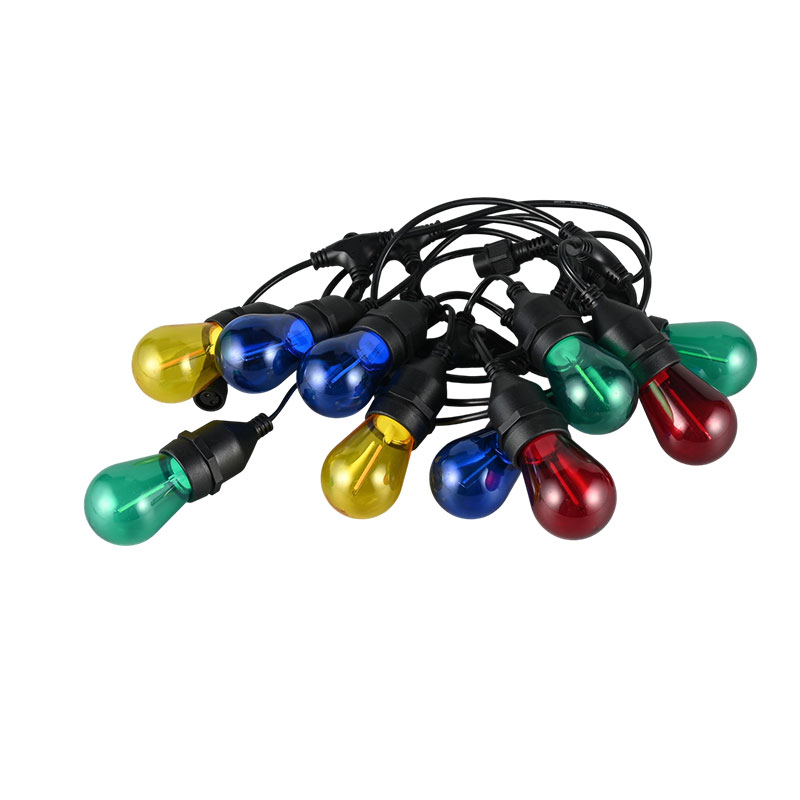 View More
-
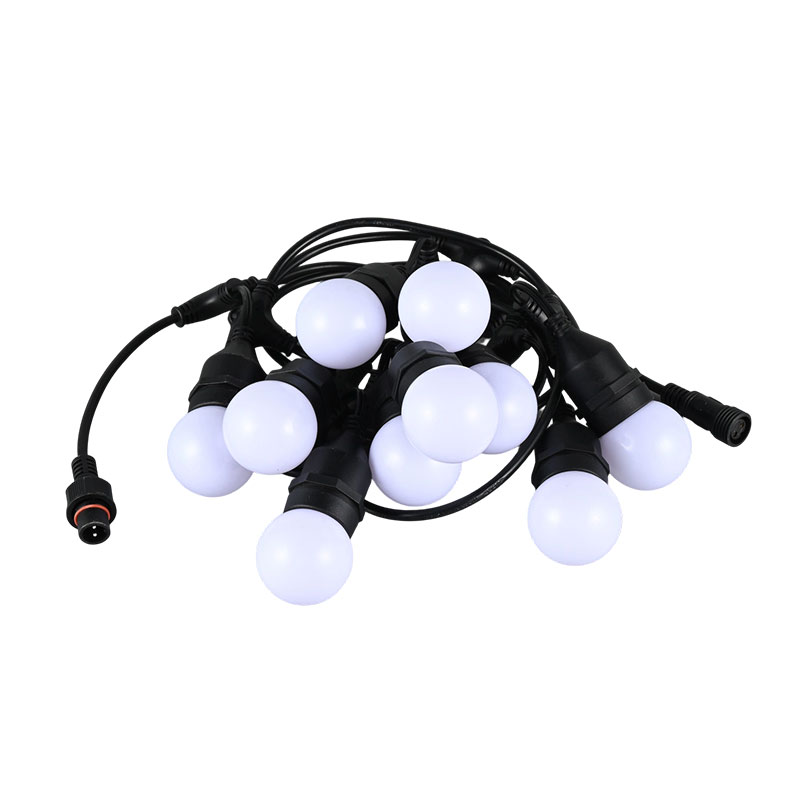 View More
G45 Hanging Type E27 Spiral RGB Synchronized Flashing String Lights
-
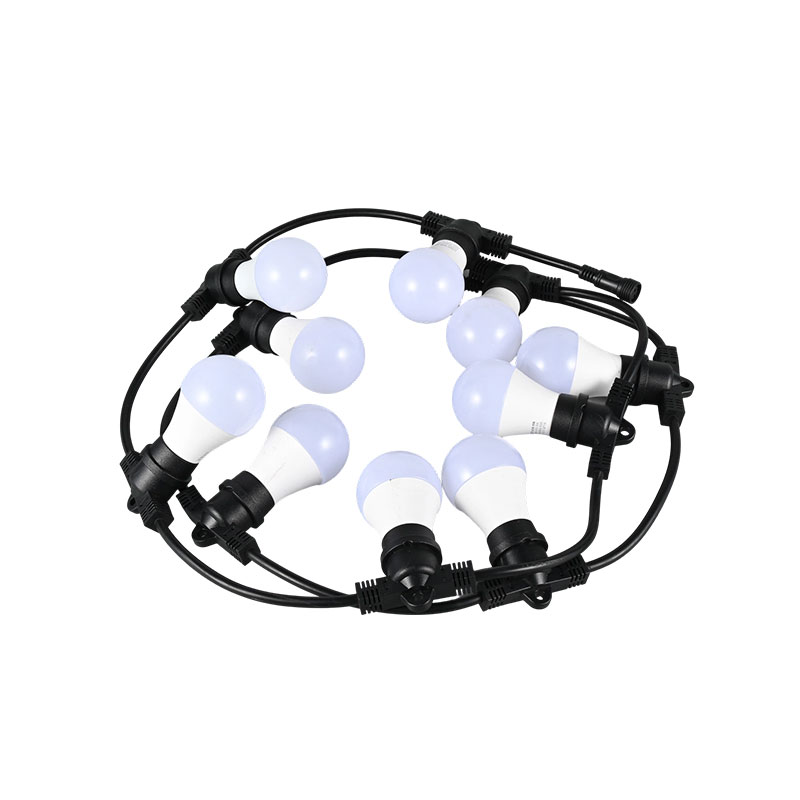 View More
E27 Spiral RGB Infrared Remote Control Energy-Saving String Lights
-
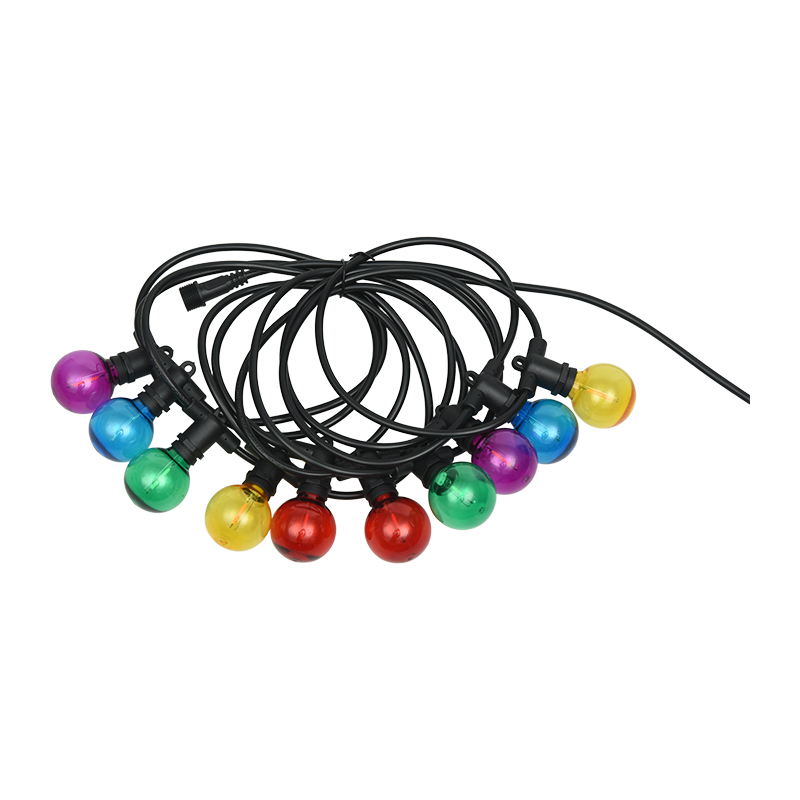 View More
G40 Ball Bubble E12 Spiral Mouth Colorful Decorative Festoon Lighting
-
 View More
Bamboo weave G40 solar light string (5 meters 10 lights)
-
 View More
S14 Hanging String E27 Spiral RGBY Meteor Light String
Hengboyi are always ready to help you and answer your question if you need.
Request A Quote
Contact Info.
 Mob: +86-13901119074
 Tel: +86-574-62838966
 E-mail: sale2@hengboyi.com
 Add: No. 18 Rongchuang Road, Mingwei Village, Lizhou Street, Yuyao City, Ningbo, Zhejiang Province, China
Quick Links
Product List
QR CODE
Copyright Ningbo Hengboyi Lamp Co., Ltd. All rights reserved.
China best outdoor decorative solar lights Manufacturer
Custom decorative string lights indoor Factory

