 Telephone: +86-574-62838966
 E-mail : sale2@hengboyi.com


 en
en  English
 Español
 中文简体
中文简体
Types of Lighting Fixtures Explained: A Buyer's Guide
Industry News
Home / News / Industry News / Types of Lighting Fixtures Explained: A Buyer's Guide
Types of Lighting Fixtures Explained: A Buyer's Guide
Content
- 1 What Are Lighting Fixtures and How Do the Main Types Differ
- 2 How Lighting Fixtures Are Built: Core Structure and Materials
- 3 Matching Lighting Fixtures to Application Scenarios: A Selection Framework
- 4 Comparing Lighting Fixture Categories: IP Ratings, Lifespan, and Use Case
- 5 Energy Efficiency and Luminous Efficacy in Modern Lighting Fixtures
- 6 Sourcing Lighting Fixtures from a Manufacturer: What Buyers Should Look For
- 7 Maintenance Guidance for Long-Term Lighting Fixture Performance
- 8 Frequently Asked Questions About Lighting Fixtures
- 8.1 What is the difference between IP44 and IP65 lighting fixtures
- 8.2 How long do commercial-grade lighting fixtures typically last
- 8.3 Can the same lighting fixtures be used indoors and outdoors
- 8.4 What color temperature is typically chosen for decorative lighting fixtures
- 8.5 How should buyers evaluate a lighting fixtures manufacturer before ordering
- 8.6 Are solar-powered lighting fixtures a reliable substitute for wired fixtures
What Are Lighting Fixtures and How Do the Main Types Differ
The direct answer is this: lighting fixtures fall into four broad functional groups — structural and architectural fixtures, decorative and ambient fixtures, convertible indoor and outdoor fixtures, and functional task or security fixtures — and the right choice for any project comes down to matching a fixture's housing material, ingress protection rating, and mounting method to the specific exposure and design intent of the installation site. Buyers who skip this matching step are the ones who most often end up with premature failures, mismatched aesthetics, or fixtures that are simply over-engineered for a low-exposure location. This guide walks through the common types of lighting fixtures, how they are built, how to select between them, and how they compare on the metrics that matter for long-term performance.
Lighting fixtures, sometimes called luminaires, are the complete housing assembly that holds, protects, and directs a light source, distinct from the lamp or LED module itself. A single category of lighting fixtures rarely suits every project, which is why procurement teams, contractors, and lighting designers typically work from a structured framework rather than choosing by appearance alone. The sections below break down that framework in detail, starting with the four main categories that most commercial and residential lighting fixtures fall into.
Structural Fixtures
Wall-mounted sconces, bollards, and in-ground uplights permanently fixed to a facade or hardscape, typically rated IP65 or higher.
Decorative Ambient Fixtures
Pendant lanterns, globe strings, and festoon lighting fixtures used to build atmosphere in courtyards, patios, and pedestrian streets.
Convertible Indoor/Outdoor Fixtures
Dual-rated lighting fixtures such as portable string lights that move between an interior room and an open patio across seasons.
Task and Security Fixtures
Parking lot floodlights, pathway markers, and perimeter lighting fixtures prioritizing uniform lumen output over decorative form.
A fifth, fast-growing group worth noting separately is solar-powered lighting fixtures, which pair a photovoltaic panel and battery with an LED module so the fixture operates without a hard-wired power run. Solar wall lights and solar string lights are now common substitutes for wired decorative lighting fixtures in courtyards, garden paths, and perimeter fencing where trenching a power line would be costly or impractical. Because this category sits somewhat outside the traditional wired framework, it is treated as its own row in several of the comparisons later in this article.
In practice, many real projects blend two or more of these categories rather than committing to a single one. A hotel courtyard, for example, frequently combines structural wall sconces along the perimeter walls with decorative string lighting fixtures strung overhead and small in-ground uplights washing the base of ornamental planting, each chosen for the specific role it plays rather than as a uniform product line. This layered approach is common enough that experienced lighting designers rarely evaluate a single fixture type in isolation; instead they build a lighting plan that assigns a category to each functional zone of a space, then sources compatible lighting fixtures for each zone from either one supplier offering a broad catalog or several specialists. Buyers new to commercial lighting sourcing sometimes assume a single fixture family can serve every zone of a project, which is rarely true once weather exposure, mounting height, and decorative intent are considered together across an entire site.
Key takeaway: matching a lighting fixture's category to its actual exposure and design role, rather than choosing on appearance alone, is the single factor most responsible for long-term reliability.
How Lighting Fixtures Are Built: Core Structure and Materials
Regardless of category, most modern LED lighting fixtures share a common structural logic: a housing that carries and dissipates heat, a light-emitting module mounted inside it, a driver that regulates current, a lens or diffuser that shapes the output, and a sealing system that keeps moisture out of the electrical path. Understanding these components individually, rather than treating a fixture as a single black box, helps buyers ask sharper questions of a lighting fixtures manufacturer during sourcing and gives maintenance teams a clearer sense of where a fixture is most likely to fail first.
The diagram below labels the core components of a representative outdoor-rated lighting fixture assembly, shown in isometric view to illustrate how the layers stack from the mounting point outward to the visible lens.
The diffuser or lens cover is the outermost layer and the component most exposed to UV, impact, and thermal cycling, which is why shatter-resistant polycarbonate is now the dominant material choice for outdoor lighting fixtures rather than glass. The LED light engine sits just behind the lens and is thermally bonded to the housing so that heat generated by the diodes can be conducted away rather than trapped, since excess heat is the leading cause of premature lumen depreciation in LED lighting fixtures. The driver compartment houses the electronics that convert incoming AC or battery DC power into the regulated current the LED chips require, and it is frequently isolated in its own sealed cavity so that a driver fault does not compromise the optical chamber's seal. The die-cast housing, most often aluminum or a glass-fiber-reinforced engineering plastic, forms the structural shell and heat sink simultaneously. A gasket seal ring, typically silicone or EPDM rubber, sits at every seam where the lens, housing, and mounting base meet, and it is this seal, more than any single material choice, that determines whether a lighting fixture actually achieves its rated ingress protection figure in the field rather than only on a test bench.
Thermal management deserves particular attention because it is the component interaction most often overlooked by buyers who focus only on the visible parts of a lighting fixture. LED chips convert only a portion of input electricity into visible light, and the remainder is released as heat that must move away from the diode junction quickly to avoid accelerated lumen depreciation and, in severe cases, premature driver failure. Well-engineered lighting fixtures manage this through a combination of a thermally conductive housing material, internal heat-spreading fins or plates, and adequate physical clearance around the fixture so warm air can escape rather than recirculate inside a sealed cavity. A driver that runs consistently hot, even if it still functions, tends to have a materially shorter service life than one operating within its designed thermal range, which is one reason two lighting fixtures with identical LED chips can post noticeably different real-world lifespans depending on how well the surrounding housing was engineered to move heat away from the electronics.
Housing Material Mix in Commercial-Grade Lighting Fixtures
Housing material selection has a direct effect on weight, thermal performance, corrosion resistance, and cost across the lighting fixtures category. Four material families account for most of the commercial-grade fixtures on the market today, each with a different balance of these properties. The chart below presents an illustrative composition of housing materials found across common outdoor and decorative lighting fixtures, based on typical specification patterns rather than a single fixed industry count. Reviewing this mix helps explain why a lighting fixtures manufacturer often maintains tooling for more than one material family rather than standardizing on just one. The four segments shown reflect the material choices most frequently specified across structural, decorative, and convertible fixture categories.
Die-cast aluminum leads the mix at roughly a third of housings because it combines strong thermal conductivity with corrosion resistance once anodized or powder coated, which is why it dominates structural and architectural lighting fixtures that must survive years of continuous outdoor exposure. Engineering plastics such as glass-fiber-reinforced polycarbonate follow closely and are especially common in decorative and convertible lighting fixtures, since they are lighter, less expensive to mold into complex decorative shapes, and inherently resistant to the corrosion that eventually affects untreated metal in coastal or high-humidity environments. Stainless steel appears less often as a full housing material and more often as fasteners, brackets, and mounting hardware, where its resistance to salt spray and its mechanical strength matter more than thermal conductivity. Glass and acrylic make up the smallest share and are used almost exclusively for lenses and diffusers rather than structural housings, since their role is optical clarity and light distribution rather than heat management. Buyers sourcing from a lighting fixtures factory should note that material choice is rarely arbitrary: a fixture destined for a coastal hospitality project benefits from either marine-grade aluminum or a UV-stabilized engineering plastic, while a fixture for a dry inland municipal park has more flexibility to prioritize cost. Asking a lighting fixtures supplier for the specific alloy or resin grade used, rather than accepting a generic material description, gives a much clearer picture of expected service life. This level of material transparency is one of the more reliable signals that a lighting fixtures manufacturer has engineering discipline behind its product line rather than simply assembling components sourced at the lowest available cost.
Matching Lighting Fixtures to Application Scenarios: A Selection Framework
Choosing the right lighting fixtures for a given site starts with three questions: how exposed is the installation to weather, how permanent is the intended layout, and how much does decorative flexibility matter relative to raw durability. Answering these questions before browsing a catalog narrows the field considerably and prevents the common mistake of specifying a decorative-grade fixture for a high-exposure functional role, or over-engineering a sheltered ambient installation with unnecessarily heavy hardware.
Indoor and Covered ScenariosRestaurant interiors, retail showrooms, and covered patios generally allow a lower ingress protection tier, since the fixture is sheltered from direct rain. Decorative ambient lighting fixtures and indoor-rated string lights are typically the most cost-effective choice for these spaces, prioritizing warm color temperature and design flexibility over waterproofing. |
Outdoor and Exposed ScenariosOpen courtyards, coastal properties, and municipal pathways require lighting fixtures rated for sustained moisture, UV, and in some climates freeze-thaw cycling. Structural fixtures and outdoor-rated solar lighting fixtures generally serve these sites best, since both categories are engineered around continuous exposure rather than occasional splashing. |
Hospitality venues, restaurants, and event spaces occupy a distinct middle ground: they need decorative lighting fixtures that can move between a covered terrace and an open patio without swapping fixture families, which is why convertible indoor and outdoor lighting fixtures, including dual-rated string lights and curtain string lights, have become a standard specification for property managers who operate several venue types under one design language. A single inventory of versatile lighting fixtures can be redeployed across a full calendar of seasonal events rather than requiring separate indoor and outdoor product lines, which reduces both procurement complexity and long-term spare-parts overhead.
Residential and small commercial buyers often approach lighting fixtures selection somewhat differently than large-scale procurement teams, since a homeowner or a small restaurant owner is typically sourcing a limited quantity for a single site rather than specifying a standardized product line across dozens of locations. For smaller purchases, ease of installation and a straightforward return or replacement path with the lighting fixtures supplier often carry more practical weight than the marginal difference between adjacent IP tiers. Larger commercial and municipal buyers, by contrast, tend to weight long-term maintenance cost and parts interchangeability more heavily, since even a small percentage difference in failure rate becomes significant once multiplied across a large installed base. Recognizing which type of buyer a project represents helps set realistic expectations for how much time should be spent comparing specification sheets versus simply selecting a well-reviewed, mid-tier option from an established lighting fixtures manufacturer.
Suitability Matrix: Fixture Type by Installation Environment
The heatmap below scores five common lighting fixture types against five installation environments on a relative 0 to 100 scale, with darker cells indicating stronger fit. This comparison is intended as a directional planning tool rather than a substitute for checking the specific IP rating and material grade of an individual product. Reading across a row shows where a given fixture type performs most and least reliably, while reading down a column shows which fixture types are best suited to a specific environment. The five environments span from a fully covered patio, which represents the lowest exposure scenario, through to a high-traffic commercial site, which combines exposure with mechanical wear from foot traffic and cleaning.
String and festoon lighting fixtures score highest of all five categories on covered patio and open courtyard scenarios, which lines up with their widespread use across hospitality and event spaces where a wide, even glow matters more than heavy weather resistance. In-ground uplights and wall sconces score most consistently across the harsher environments, including coastal humidity and freeze-thaw cycling, since both are typically built with sealed, IP65-and-above housings intended for permanent outdoor installation. Solar-powered lighting fixtures show an interesting pattern: they score very strongly in open courtyards, where unobstructed sun exposure supports reliable charging, but somewhat lower in covered patio settings, since shading from an overhead structure reduces the panel's daily charge cycle. Decorative ambient fixtures trail in coastal and freeze-thaw environments, reflecting their typically lighter housings and lower baseline IP ratings compared with structural fixtures built for permanent exposure. High-traffic commercial settings favor wall sconces and in-ground uplights, both of which are mounted out of direct contact with pedestrians and cleaning equipment, while more delicate string-based lighting fixtures score lower there due to a higher risk of physical damage. The overall pattern reinforces the selection framework outlined earlier: no single fixture type wins across every environment, and the practical task for a buyer is matching the specific row to the specific column that describes their project.
It is worth noting that these scores reflect typical product design intent rather than an absolute ceiling for any single category. A premium-grade decorative ambient fixture engineered with marine-grade hardware can outperform a budget structural fixture in coastal conditions, and buyers evaluating a specific quote should always confirm the actual rated specification of the individual model rather than assuming the category average applies automatically. The matrix is most useful as a starting shortlist tool early in a project, narrowing the field of fixture types worth requesting samples for, rather than as a final substitute for line-item specification review.
Comparing Lighting Fixture Categories: IP Ratings, Lifespan, and Use Case
Ingress protection rating, defined by the IEC 60529 international standard, remains the most objective way to compare lighting fixtures across categories. A fixture rated IP44 resists splashing water and small debris from any direction, IP65 resists low-pressure water jets, and IP67 tolerates brief full immersion, which makes the rating a far more reliable indicator than a generic marketing description of a product as simply waterproof. The table below summarizes typical specification ranges across five common lighting fixture categories.
| Fixture Category | Typical IP Rating | Typical Lifespan (hours) | Best Suited For |
|---|---|---|---|
| Decorative String & Festoon | IP44 to IP65 | 25,000 to 30,000 | Patios, courtyards, event backdrops |
| Wall Sconce | IP44 to IP65 | 30,000 to 40,000 | Facades, entryways, walkways |
| In-Ground Uplight | IP65 to IP67 | 40,000 to 50,000 | Landscape, pathway, monument lighting |
| Solar-Powered Fixture | IP44 to IP65 | 15,000 to 25,000* | Garden paths, fencing, off-grid sites |
| Task & Security Floodlight | IP65 to IP67 | 40,000 to 50,000 | Parking areas, perimeters, loading docks |
*Battery service life on solar-powered lighting fixtures is typically the limiting factor rather than the LED module itself, and batteries are commonly rated for a shorter cycle life than the diodes they power.
IP Rating Tier Composition by Fixture Category
While the table above shows a typical range for each category, real product lines usually span several ingress protection tiers within a single fixture family, since a lighting fixtures manufacturer commonly offers entry, mid, and premium sealing options to match different budget and exposure requirements. The stacked bar chart below illustrates an approximate composition of IP20, IP44, IP65, and IP67 rated models across five fixture categories, showing how the sealing mix shifts from lighter-duty categories toward heavier-duty ones.
Task and security lighting fixtures carry the highest proportion of IP67-rated models of any category shown, which makes sense given that floodlights and perimeter fixtures are almost always mounted in fully exposed, unsheltered positions where even brief flooding at grade level is a realistic possibility. Structural and architectural lighting fixtures follow a similar pattern, with IP65 and IP67 tiers together accounting for the majority of the category, reflecting their role as permanent building-integrated fixtures. Convertible indoor and outdoor lighting fixtures show the opposite skew, with IP20 and IP44 tiers making up most of the mix, since a large share of these products are designed primarily for sheltered or seasonal use and only need to tolerate occasional light exposure. Decorative ambient fixtures sit in between, with a fairly even spread across IP44 and IP65, consistent with their use in both covered and lightly exposed settings such as courtyards and rooftop terraces. Solar-powered lighting fixtures lean toward IP65 as their most common tier, which aligns with their frequent placement in garden beds and along fence lines where they receive direct rain exposure but rarely face the sustained water jets that would justify an IP67 specification. Reading this chart alongside the earlier table gives buyers a more complete picture than either view alone, since the table shows the typical range for a category while the chart shows how that range is actually distributed across real product offerings from a typical lighting fixtures factory.
Energy Efficiency and Luminous Efficacy in Modern Lighting Fixtures
Luminous efficacy, measured in lumens per watt, is the metric that determines how much visible light a lighting fixture produces for a given amount of electricity, and it has become one of the most important specification points for buyers comparing LED lighting fixtures against older technologies or against each other. A higher efficacy figure means the same illumination level can be delivered with a smaller electrical load, which reduces transformer sizing requirements and long-term utility costs on large commercial installations.
According to an International Energy Agency dataset, average LED luminous efficacy rose from under 75 lumens per watt in 2010 to around 107 lumens per watt by 2020, with continued gains projected through the current decade as chip technology and thermal management design mature. A separate U.S. Department of Energy market characterization report found that the average wattage of an installed commercial lighting unit had fallen to roughly 27 watts by 2020, reflecting the broader shift away from higher-wattage legacy technologies toward efficient LED lighting fixtures. Industry technical references generally place standard LED lighting modules in a range of 120 to 210 lumens per watt today, with commercial-grade lighting fixtures commonly exceeding 150 lumens per watt in current product lines.
Typical Luminous Efficacy Achieved vs Category Ceiling
The gauge below visualizes a representative commercial-grade LED lighting fixture achieving 150 lumens per watt against a practical near-term ceiling of roughly 210 lumens per watt for standard LED modules. This single-value snapshot complements the historical trend described above by showing where a typical product sits today relative to the upper bound currently achievable with mainstream LED technology, rather than tracking change over time.
The gauge shows the typical commercial LED lighting fixture operating at roughly seventy percent of the practical efficacy ceiling for standard LED modules available today, which indicates meaningful headroom still remains before mainstream products approach the upper limits of current LED chip technology. This gap matters for procurement planning because it means further efficacy gains are a reasonable expectation for future fixture generations, rather than a plateau that buyers should assume has already been reached. Facilities managers replacing aging lighting fixtures on a rolling schedule can use this gap to estimate the approximate energy savings available from a refresh cycle before committing to a full-site retrofit. It also explains why efficacy specifications should always be checked against a current datasheet rather than assumed from memory of an older product line, since a fixture purchased even a few years ago is likely to sit further from today's ceiling than a fixture specified now. For large-scale commercial or municipal projects, even a modest improvement in lumens per watt across thousands of installed lighting fixtures compounds into a substantial reduction in total electrical load over the life of the installation. This is one of the more measurable ways that upgrading to current-generation LED lighting fixtures pays back part of its own cost through reduced electricity consumption over time.
Luminous efficacy is not the only variable worth weighing, however, since color rendering accuracy and beam control both draw on the same power budget as raw lumen output. Achieving a higher color rendering index generally requires additional phosphor layers or supplemental emitters that render colors more accurately but consume some of the efficiency gains achieved elsewhere in the design, which is why a fixture optimized purely for the highest possible lumens-per-watt figure is not automatically the best choice for applications where accurate color rendering matters, such as retail display lighting or landscape lighting near planted greenery. Buyers evaluating LED lighting fixtures for a specific application should treat efficacy as one input among several rather than the sole deciding factor, and should request both the efficacy figure and the color rendering index together when comparing candidate products from a lighting fixtures supplier.
Sourcing Lighting Fixtures from a Manufacturer: What Buyers Should Look For
Sourcing lighting fixtures from an overseas lighting fixtures manufacturer involves more than comparing unit prices. Buyers who evaluate a lighting fixtures supplier on testing equipment, documented quality processes, and OEM or ODM development capability tend to end up with more consistent product batches than those who select purely on catalog appearance. A capable lighting fixtures factory should be able to walk a buyer through its own quality system, provide sample units ahead of a full production run, and explain how it verifies IP ratings and lumen output before shipment rather than relying solely on a component datasheet from an upstream supplier.
Ningbo Hengboyi Lamp Co., Ltd., formerly Yuyao Hengli Auto Parts Factory, has operated as an OEM lighting fixtures manufacturer and ODM lighting fixtures factory since its establishment in 2003, based in Yuyao City, Zhejiang Province, an area long known in China as a center for plastics manufacturing. The company integrates research and development, production, sales, and self-operated export under one roof, with a primary focus on precision plastic product processing and high-tech electronic products. Its main business scope spans lighting fixtures, lighting accessories, electronic products, and a range of injection molded parts, rubber parts, and hardware components, giving it in-house control over several of the material categories discussed earlier in this article rather than depending entirely on outside subcontractors.
The company maintains complete processing, production, and testing equipment alongside a structured management system, and has accumulated substantial experience in the design and manufacturing of decorative and commercial lighting fixtures, including string lights, curtain string lights, solar string lights, and solar wall lights for indoor and outdoor use. Both the appearance design and build quality of its products have received consistent recognition from customers in China and abroad, supporting long-term cooperative relationships and a role as a designated lighting fixtures supplier for other lighting brands sourcing from the region. Since its founding, the company has followed the operating philosophy of quality first, integrity foremost, scientific management, and pragmatic innovation, an approach reflected in its emphasis on testing and documentation rather than appearance alone when developing new lighting fixtures for commercial and residential buyers.
For buyers evaluating any China lighting fixtures manufacturer, whether for a wholesale lighting fixtures supplier relationship or a custom OEM development project, a short list of practical questions helps separate a genuinely capable partner from one offering only a catalog of generic products.
- Can the lighting fixtures manufacturer provide independent IP rating test documentation rather than a self-declared figure alone
- Does the lighting fixtures factory support custom OEM or ODM development, including drawing- or sample-based reproduction
- What is the minimum order quantity, and does the lighting fixtures wholesaler offer sample units before a full production run
- How does the supplier package and ship lighting fixtures for export to reduce transit damage on longer routes
Packaging and export logistics deserve more attention than buyers sometimes give them, since a well-engineered lighting fixture can still arrive damaged if the outbound packaging is not matched to the handling conditions of a long ocean or air freight route. Individually cushioned inner cartons, moisture-resistant outer packaging, and clear stacking limits printed on the master carton all reduce the risk of transit damage on multi-week shipping routes, and an experienced lighting fixtures wholesaler will typically be able to describe its packaging approach without being asked twice. Buyers placing a first order with a new lighting fixtures manufacturer often request a smaller trial shipment before committing to a full container load, which allows both sides to confirm that packaging, labeling, and product quality hold up under real shipping conditions before scaling the relationship to larger volumes.
Key takeaway: a reliable lighting fixtures manufacturer distinguishes itself through documented testing, in-house material capability, and transparent OEM/ODM support rather than catalog breadth alone.
Maintenance Guidance for Long-Term Lighting Fixture Performance
Lighting fixtures represent a long-term capital investment, and the total cost of ownership over a ten-year period is influenced far more by maintenance discipline than by the initial purchase decision alone. Property managers who schedule routine inspection twice a year, typically before and after the peak outdoor season, tend to catch minor issues such as loosened connectors or accumulated debris before they progress into full fixture failures.
A practical maintenance checklist for commercial and decorative lighting fixtures typically includes the following steps:
- Visual inspection of lenses and diffusers for cracking, discoloration, or moisture pooling inside the housing
- Verification that gasket seals remain pliable rather than brittle, since a brittle gasket is one of the earliest signs of an aging IP seal
- Cleaning of dust, pollen, and salt residue from diffuser surfaces to maintain rated luminous output
- Checking cable strain relief and support points on string and festoon lighting fixtures for wear at anchor locations
- Confirming that grounding connections remain tight, particularly after freeze-thaw cycles that can loosen hardware
- For solar-powered lighting fixtures, wiping panel surfaces clear of dust and checking that battery compartments remain fully sealed against moisture
Beyond routine upkeep, standardizing on a single modular platform of lighting fixtures across multiple sites allows a facilities team to stock a smaller range of spare parts, since sockets, connectors, and cable segments are frequently interchangeable across an entire product family from the same lighting fixtures manufacturer. Facilities that instead mix many unrelated product lines from different eras often find that spare parts for older models become difficult to source, forcing a full fixture replacement even when only a single connector has failed. For this reason, sourcing teams increasingly evaluate not just the unit price of a fixture but the long-term availability of compatible replacement components from their chosen lighting fixtures supplier.
Seasonal removal and storage practices also affect the service life of many decorative lighting fixtures, particularly string and festoon products that are taken down between events or across colder months. Coiling cable loosely rather than tightly, storing fixtures in a dry location away from direct sunlight, and avoiding stacking heavy items on top of stored lighting fixtures all reduce the wear that accumulates from repeated seasonal handling. Labeling stored runs by length and configuration before disassembly also speeds up reinstallation the following season and reduces the chance of forcing a connector that was not designed for that particular span, which is a common cause of avoidable socket damage during setup.
Frequently Asked Questions About Lighting Fixtures
What is the difference between IP44 and IP65 lighting fixturesAn IP44 rated lighting fixture resists splashing water and small solid debris from any direction, making it suitable for covered patios and sheltered facades. An IP65 rated lighting fixture additionally resists low-pressure water jets, which makes it appropriate for fully exposed locations such as open courtyards or unsheltered rooftops. |
How long do commercial-grade lighting fixtures typically lastMost commercial-grade LED lighting fixtures carry a rated lifespan between 25,000 and 50,000 hours depending on category, though actual service life depends heavily on installation exposure, thermal management, and how carefully the fixtures are handled during seasonal setup and removal. |
Can the same lighting fixtures be used indoors and outdoorsMany convertible lighting fixtures are engineered with dual-rated components specifically so they can move between indoor and outdoor placement, but buyers should confirm the connector seal type and cable jacket rating with the lighting fixtures manufacturer before assuming full interchangeability across every model. |
What color temperature is typically chosen for decorative lighting fixturesA warm color temperature in the 2700K to 3000K range is the most common choice for hospitality and residential decorative lighting fixtures, since it produces a soft, welcoming ambiance that complements outdoor seating and courtyard spaces. |
How should buyers evaluate a lighting fixtures manufacturer before orderingBuyers should review the manufacturer's testing equipment, documented quality processes, and prior experience with similar project types, and request sample units or independent IP rating documentation rather than relying on catalog descriptions alone. |
Are solar-powered lighting fixtures a reliable substitute for wired fixturesSolar lighting fixtures work well for garden paths, fencing, and off-grid sites with consistent daily sun exposure, though buyers should account for shorter battery service cycles relative to the LED module itself and confirm panel placement will not be shaded for extended periods. |
Product Categories
Recommended News
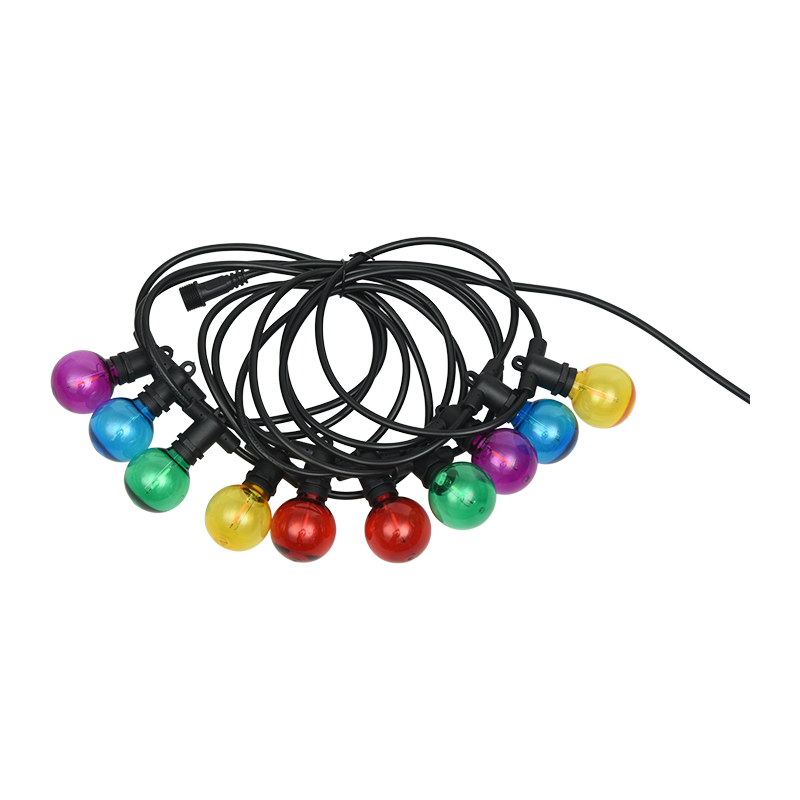
2026-05-22G40 Ball Bubble E12 Spiral Mouth Colorful Decorative Festoon Lighting
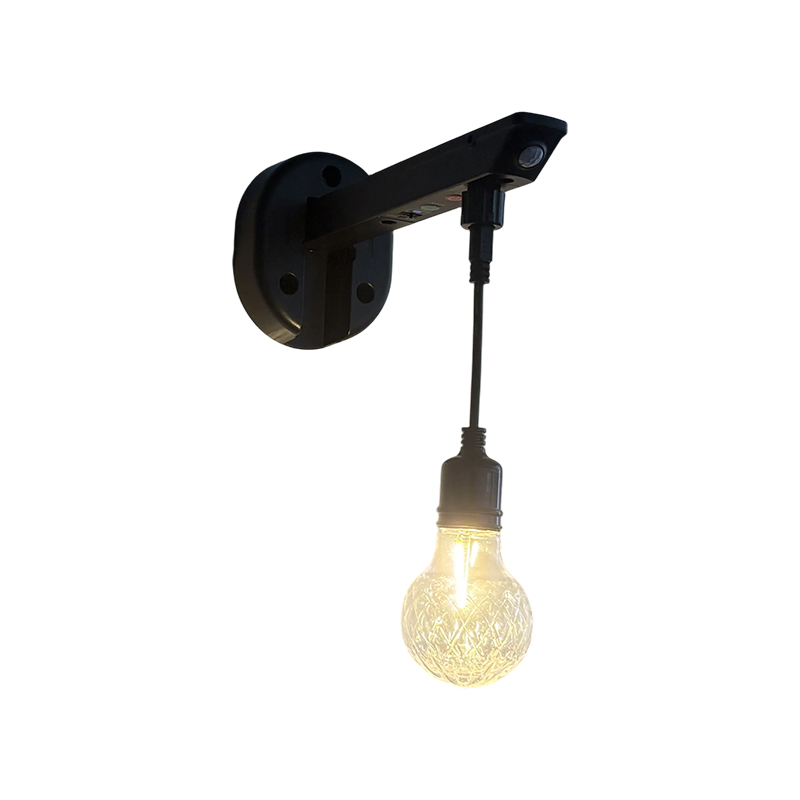
2026-05-22Diamond pattern diffused solar wall light (A60 bulb shape)
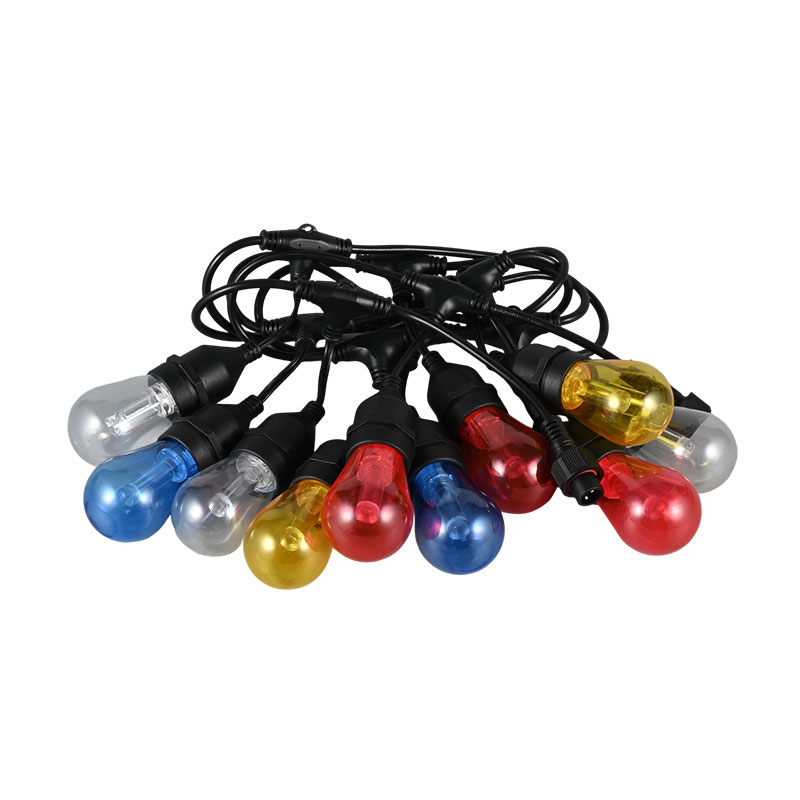
2026-05-21S14 Light Guide Pillar Pendant Type E27 Spiral String Lights
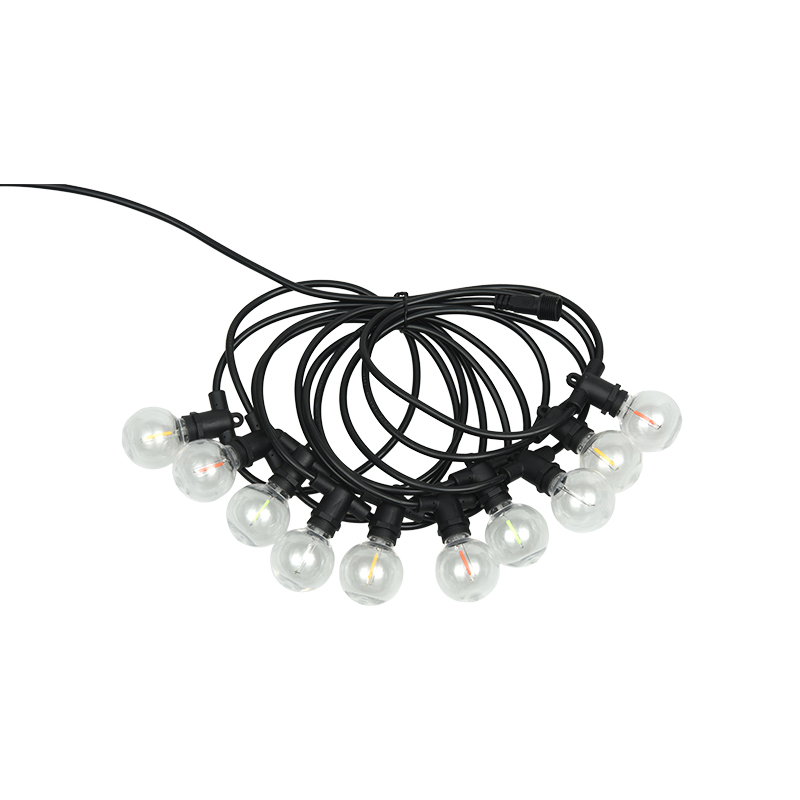
2026-05-22G40 Ball Bubble E12 Spiral Mouth Colorful LED Decorative Festoon Lighting
2026-05-22G40 pendant type solar string light (E12 lamp holder, 5 meters 10 lights)
2026-05-21C7 smooth surface bulb E12 screw base colored 0.5W integrated string light
Related Products
-
 View More
-
 View More
Diamond pattern diffused solar wall light (A60 bulb shape)
-
 View More
S14 Light Guide Pillar Pendant Type E27 Spiral String Lights
-
 View More
G40 Ball Bubble E12 Spiral Mouth Colorful LED Decorative Festoon Lighting
-
 View More
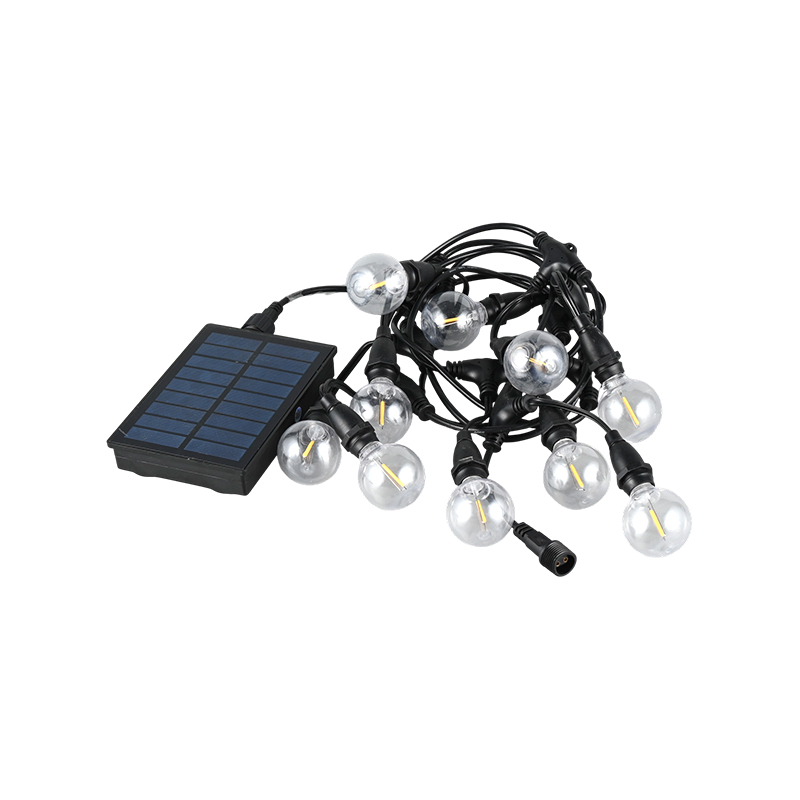
G40 pendant type solar string light (E12 lamp holder, 5 meters 10 lights)
-
 View More
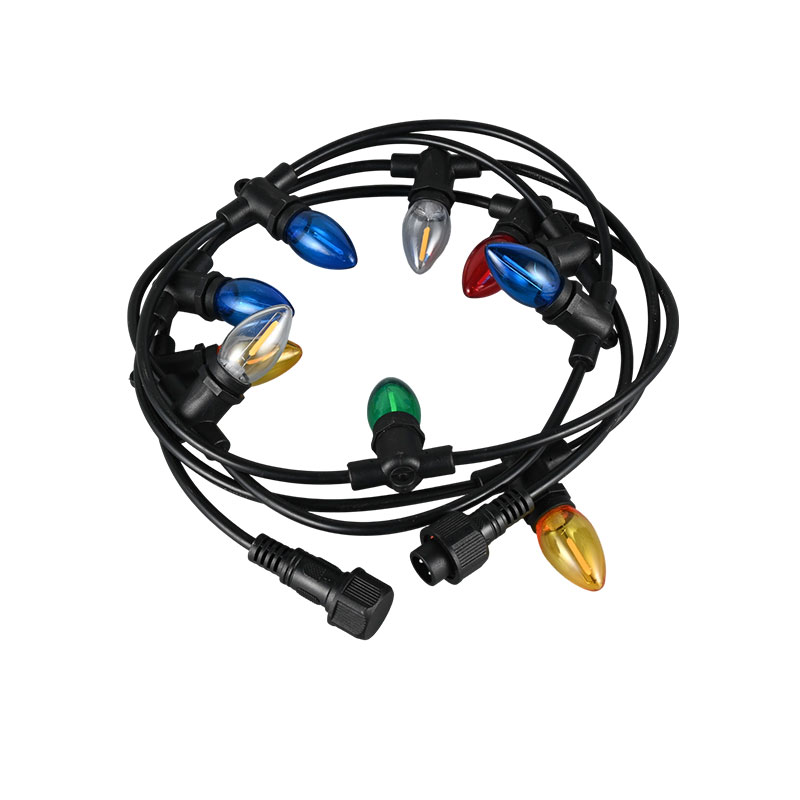
C7 smooth surface bulb E12 screw base colored 0.5W integrated string light
Hengboyi are always ready to help you and answer your question if you need.
Request A Quote
Contact Info.
 Mob: +86-13901119074
 Tel: +86-574-62838966
 E-mail: sale2@hengboyi.com
 Add: No. 18 Rongchuang Road, Mingwei Village, Lizhou Street, Yuyao City, Ningbo, Zhejiang Province, China
Quick Links
Product List
Copyright Ningbo Hengboyi Lamp Co., Ltd. All rights reserved.
China best outdoor decorative solar lights Manufacturer
Custom decorative string lights indoor Factory

